

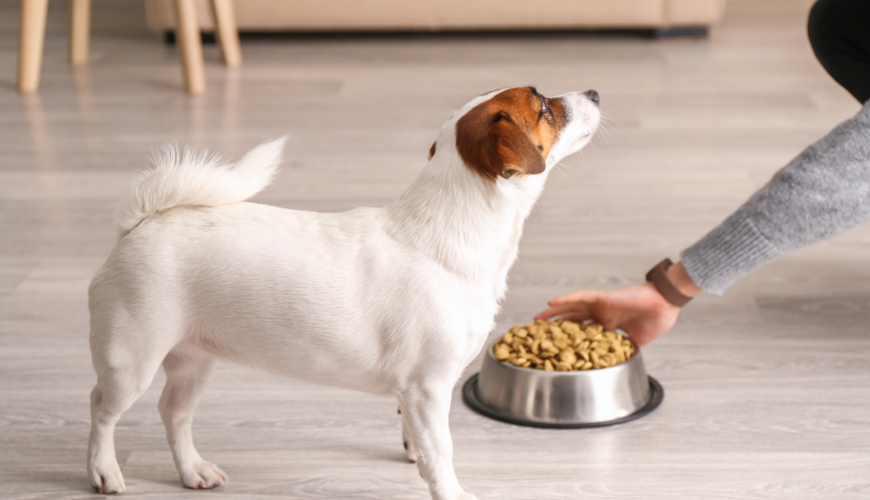
As dog owners, we often find ourselves indulging our furry friends with delicious treats, trying out different foods to keep them happy and healthy. But how do you truly know what your dog’s favorite food is? What if the kibble that they’ve been eating for years is not their ideal choice? Understanding your dog’s preferences when it comes to food can improve their overall happiness, health, and well-being.
In this blog post, we’ll explore how to discover your dog’s favorite foods and provide insight into how to make the best food choices for your pup. We’ll also take a look at different factors that influence their tastes and preferences, and how to ensure that what they love is also healthy for them.
1. Observing Your Dog’s Behavior
The first step to understanding your dog’s favorite foods is simply observing their behavior when it comes to mealtime. Dogs can’t speak, but their actions speak volumes. Here’s what to watch for:
- Excitement at Meal Times: Does your dog get excited when it’s time for food? Some dogs may wag their tail, jump around, or show signs of enthusiasm before you even serve their meal. If your dog gets particularly excited when they smell or see a certain type of food, it’s a good indicator that they love it. Conversely, a dog that is uninterested in their food might not be as thrilled with the taste.
- Finishing the Meal Quickly: If your dog finishes their food quickly, it’s likely a sign that they really enjoy it. Some dogs might rush through their meal because it’s something they find irresistible, while others may take their time and savor each bite. If your dog is a slow eater, that doesn’t necessarily mean they dislike the food, but they may prefer a more flavorful or softer meal. On the other hand, if your dog leaves food behind consistently, they might not be as fond of what’s being served.
- Food Preferences: Some dogs have a preference for certain flavors or textures. If your dog seems to be drawn to wet food rather than dry kibble, or if they seem to love a particular protein (chicken, beef, fish), this can be an indication of their food preferences. Additionally, pay attention to whether your dog enjoys more spicy or savory flavors, or if they shy away from certain smells or tastes.
2. Experimenting with Different Types of Food
Once you’ve observed your dog’s reactions to their meals, it’s time to experiment. Introducing new foods is a fun and safe way to discover what your dog likes, but it’s essential to do it slowly and carefully. Start with small portions and introduce one new food at a time to avoid upsetting their stomach. Here are a few ideas for what to try:
- Different Proteins: Dogs often have preferences for specific proteins like chicken, beef, lamb, or turkey. You can try offering different proteins and see which one excites your dog the most. Some dogs even enjoy fish like salmon or tuna, which are rich in Omega-3 fatty acids and great for their skin and coat. If your dog shows a preference for a certain protein, try incorporating that protein into different meals to see how versatile it can be.
- Wet vs. Dry Food: Some dogs prefer the moist texture of wet food, while others enjoy the crunchiness of dry kibble. You can mix the two to see if your dog prefers a combination or stick with one type. Wet food is often more aromatic and can be more appealing to dogs, while dry food is better for their teeth and is often more cost-effective. Some dog owners even mix dry kibble with a bit of wet food to encourage their dogs to eat more, especially if they’re picky eaters.
- Dog Treats: Treats are a great way to get a dog’s attention and test out their preferences. Offer a variety of treats—chewy, crunchy, or soft. You can even try treats made from different ingredients like peanut butter, sweet potatoes, or bacon. Pay attention to which treats they go for first! Some dogs enjoy the satisfaction of chewing on a treat, while others may prefer treats that melt in their mouths. You might find that certain treats are more effective in training your dog or keeping them occupied.
- Homemade Dog Food: Some dog owners choose to prepare homemade meals for their pets. You can try cooking up simple meals with ingredients like chicken, rice, carrots, and peas. If your dog seems to love these meals, you might have found a new favorite! There’s also the option to create dog-safe baked goods, like homemade dog cookies or peanut butter biscuits, which can be fun to prepare and spoil your dog with.
3. Consider Your Dog’s Breed and Size
It’s important to keep in mind that your dog’s breed, size, and age can all impact their food preferences. Larger dogs may have different nutritional needs compared to smaller dogs, and some breeds have more sensitive stomachs. Dogs of different ages, from puppies to seniors, may also have varying tastes and requirements. Here are some considerations:
- Breed Preferences: Some breeds have particular tastes and sensitivities that may influence their food choices. For example, a Border Collie may have a higher energy requirement and may enjoy a protein-rich diet, while a Basset Hound may prefer a slightly more moderate meal. Certain breeds may also have food sensitivities or allergies, so it’s essential to factor in breed-specific health needs when choosing foods.
- Size Matters: Large breed dogs, such as Great Danes or German Shepherds, may require larger portions and foods that support joint health. Smaller dogs, like Chihuahuas or Dachshunds, may prefer smaller kibble and more delicate flavors. Your dog’s size can also influence their portion control needs. Make sure you’re feeding the right amount of food based on their size to avoid overfeeding or underfeeding.
- Age: Puppies are generally more curious and open to trying new foods, while older dogs might prefer a more consistent diet. Senior dogs may have special dietary needs, such as lower calories or foods that support joint health. Pay attention to their changing tastes as they age, and consult with your vet if you notice any signs of food sensitivities or issues.
4. Ingredients that Dogs Love
While each dog is unique, there are some ingredients that many dogs find irresistible. Here are a few ingredients that are often favorites among dogs:
- Peanut Butter: Peanut butter is a favorite treat for many dogs, and it’s packed with protein and healthy fats. Be sure to choose peanut butter that’s free of xylitol, which is toxic to dogs. A dollop of peanut butter on a dog-safe treat or in a food puzzle can make your dog’s day!
- Cheese: Many dogs love cheese! It’s a rich source of protein and fat, but it should be given in moderation. Cheese can be a great treat or added to their meals to make them more flavorful. If your dog has lactose intolerance, consider offering lactose-free cheese or small amounts.
- Sweet Potatoes: Sweet potatoes are a healthy, fiber-rich ingredient that many dogs love. They’re great for digestion and can be served baked, mashed, or even dehydrated into dog-friendly treats. Plus, they are packed with essential vitamins like vitamin A.
- Carrots: Carrots are crunchy, low-calorie treats that dogs love to chew on. They’re also great for their teeth and provide a good source of vitamins. Some dogs even enjoy frozen carrot sticks as a cool snack on hot days.
- Chicken: Chicken is often a favorite protein for dogs. It’s lean, easily digestible, and a great source of amino acids. Chicken can be served in various forms—boiled, grilled, or even mixed with their regular food. It’s a versatile and healthy choice.
- Liver: Liver is a rich source of nutrients like vitamin A and iron. Many dogs find liver irresistible, but it should be given in moderation due to its richness. You can offer liver as a treat or add small pieces to their meals.
5. Paying Attention to Allergies and Sensitivities
While discovering your dog’s favorite foods, it’s important to consider their health and any potential allergies. Some dogs may have food sensitivities to ingredients like grains, soy, or specific proteins. Others may have digestive issues that require special diets.
Signs of food allergies or sensitivities include itching, gastrointestinal upset, ear infections, and changes in behavior. If you suspect that your dog has food sensitivities, it’s best to consult your veterinarian for guidance. They may recommend an elimination diet or specific food trials to pinpoint any allergens.
6. Balancing Taste and Nutrition
When choosing your dog’s favorite foods, it’s essential to find a balance between taste and nutrition. While your dog might love the taste of certain treats, it’s important to ensure that their diet meets their nutritional needs.
Look for high-quality dog food brands that offer balanced formulas with appropriate protein, fat, fiber, and vitamins. Avoid foods that are overly processed, filled with artificial additives, or lacking in essential nutrients. Consult your vet if you have concerns about your dog’s diet, and remember that their favorite foods should contribute to their overall health and well-being.
Discovering your dog’s favorite foods is not only a fun journey but also an important one for their health and happiness. By observing their reactions, experimenting with different foods, and considering their breed and health needs, you can make informed choices about what to feed your dog. Keep in mind that a dog’s preferences may change over time, and it’s always a good idea to keep things fresh and exciting while ensuring a balanced, nutritious diet.
So, get ready to spoil your dog with tasty meals and treats that they’ll love. Not only will this enhance your bond, but it will also contribute to their health and well-being. Happy feeding!
