


Same day delivery + Free on orders of 10 KWD or above Shop Now

Mini Cart

As the New Year approaches, many of us eagerly plan festivities to welcome a fresh start. Celebrations often include friends, family, glittering decorations, and a host of traditions. However, our pets, beloved members of our families, are sometimes overlooked in these festivities. Including pets in your New Year’s celebration can make the event even more special and ensure your furry friends feel loved and included. Here’s how you can create a memorable and safe New Year’s celebration with your pets.

  1. Create a Pet-Friendly Environment

The excitement of New Year’s can be overwhelming for pets. Loud noises, unfamiliar faces, and changes in routine can cause stress. To ensure your pet’s comfort:

  • Designate a safe space: Create a quiet area where your pet can retreat if the celebrations become too overwhelming. Equip this space with their favorite bed, toys, and some comforting background noise like soft music or a white noise machine.
  • Avoid hazardous decorations: Glitter, balloons, tinsel, and other festive items can be tempting but dangerous for pets. Ensure that decorations are out of reach to prevent choking or ingestion.
  • Stick to their routine: Pets thrive on routine, so try to maintain their feeding, walking, and sleeping schedules as much as possible.
  1. Choose Pet-Safe Snacks

Celebrations often revolve around food, and pets are bound to be curious about the treats on the table. However, many human foods can be harmful to pets. Here are some tips for including your pets in the feast:

  • Prepare special treats: Consider baking or purchasing pet-friendly snacks. Recipes for dog-safe cookies or catnip-infused treats can be fun and festive.
  • Avoid toxic foods: Common party foods like chocolate, grapes, onions, and alcohol are toxic to pets. Keep these out of reach and educate guests to avoid feeding table scraps.
  • Hydration is key: Ensure your pets have access to fresh water throughout the celebration, especially if they’re more active than usual.
  1. Plan Fun Activities

Including your pets in New Year’s activities can make the day enjoyable for everyone. Here are some ideas:

  • Interactive games: Engage your pets with toys or games they love. Hide-and-seek with treats or a laser pointer session can keep them entertained.
  • Pet parade: Dress your pets in comfortable, festive outfits and have a mini fashion show. Ensure the costumes don’t restrict movement or cause discomfort.
  • Photo booth: Set up a pet-friendly photo booth with fun props to capture memories of the celebration.
  1. Celebrate Midnight Safely

As the clock strikes midnight, fireworks and noisemakers often take center stage. While these traditions are exciting for humans, they can be terrifying for pets. Here’s how to manage the transition:

  • Minimize noise exposure: Keep pets indoors during fireworks displays. Close windows, draw curtains, and use soundproofing techniques to reduce the noise.
  • Distract with entertainment: Provide toys, chews, or calming music to divert their attention from loud sounds.
  • Consider calming aids: If your pet is particularly anxious, consult your veterinarian about natural calming aids or anxiety-reducing products.
  1. Involve Them in New Year’s Resolutions

New Year’s is a time for setting goals and intentions. Why not include your pets in your resolutions? Here are some ideas:

  • Health and fitness: Commit to more regular walks, hikes, or play sessions with your pet to keep both of you active.
  • Training and learning: Teach your pet a new trick or enroll them in a training class. Mental stimulation is just as important as physical activity.
  • Quality time: Resolve to spend more time bonding with your pet, whether through grooming, cuddling, or exploring new activities together.
  1. Share the Celebration Virtually

If you’re hosting a virtual New Year’s party, let your pets join in the fun. Dress them up and let them make an appearance on the video call. Their antics can be a delightful icebreaker and bring smiles to everyone’s faces.

  1. Be Mindful of Post-Celebration Cleanup

After the festivities, clean up promptly to ensure your pet doesn’t encounter leftover hazards. Pick up any confetti, balloons, or food scraps, and securely dispose of trash that might tempt curious noses.

  1. Honor Their Needs

Remember, not all pets are social butterflies. While some might enjoy the hustle and bustle, others may prefer to stay away from the action. Respect your pet’s personality and preferences when planning the celebration.

Including your pets in your New Year’s celebration can deepen your bond and create joyful memories. By creating a safe, welcoming environment and considering their needs, you can ensure the festivities are as enjoyable for your furry friends as they are for you. After all, starting the year with love and care for every family member, including the four-legged ones, sets a positive tone for the months ahead.

As the countdown begins and you toast to new beginnings, let’s raise a paw — and a glass — to the joy our pets bring into our lives. Happy New Year to you and your beloved companions!


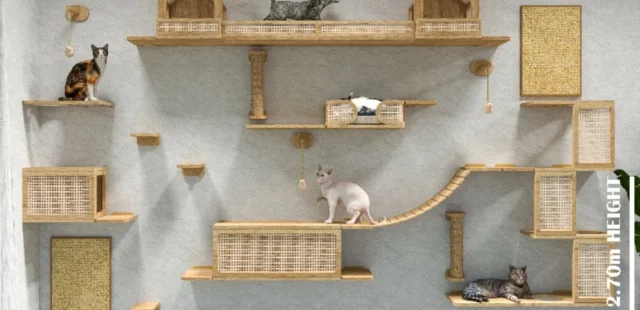
Cat walls are one of the most innovative and exciting additions to modern pet furniture. Designed to enrich your feline friend’s environment, they provide opportunities for climbing, exploring, and resting, all while saving space in your home. However, not all cats immediately take to this vertical playground. If your cat seems hesitant or unsure, don’t worry! Training your cat to use a cat wall is a fun and rewarding process that involves patience, encouragement, and a touch of creativity. Here’s a step-by-step guide to help you get started.


  1. Understand Your Cat’s Personality

Before introducing your cat to the wall, it’s important to understand their unique personality. Some cats are naturally adventurous and eager to climb, while others may be more cautious or reserved. Kittens and younger cats are generally more curious and playful, making them easier to train. Older cats, on the other hand, may require a bit more coaxing. Take time to observe your cat’s behavior to tailor your approach.

For example, if your cat enjoys climbing furniture or shelves, they may readily take to the cat wall. If they prefer lounging on the floor, you might need to encourage them more gently.


  1. Choose the Right Cat Wall Setup

The design and placement of your cat wall can make a big difference in how your cat responds to it. Here are some tips:

  • Start Simple: Begin with a basic setup that includes a few platforms, steps, or perches. As your cat becomes more comfortable, you can add more complex elements like tunnels, ramps, or hammocks.
  • Ensure Stability: Cats are highly sensitive to unstable surfaces. Make sure the wall components are securely fastened and can support your cat’s weight without wobbling.
  • Use Comfortable Materials: Cats love soft and textured surfaces. Consider adding padding, carpeting, or sisal to the platforms to make them more appealing.
  • Position Strategically: Place the wall in an area where your cat already feels comfortable, such as near their favorite resting spot or a window. Cats love to observe their surroundings, so a wall with a view can be very enticing.


  1. Introduce the Cat Wall Gradually

Cats can be wary of new objects in their environment. To avoid overwhelming your pet, introduce the cat wall gradually:

  • Let Them Explore: Allow your cat to investigate the wall at their own pace. Don’t force them onto it; instead, let their curiosity guide them.
  • Use Familiar Scents: Rub a cloth with your cat’s scent on the platforms to make the wall feel like a safe and familiar space. You can also place a blanket or toy they’ve used on the wall.
  • Add Familiar Items: Place your cat’s favorite toys, blankets, or even a bit of their food on the platforms to encourage exploration.


  1. Use Positive Reinforcement

Positive reinforcement is key to training your cat to use the wall. Cats respond well to rewards and encouragement, so be generous with treats, praise, and affection:

  • Treat Placement: Place treats on the lower platforms to lure your cat onto the wall. Gradually move the treats higher as they become more comfortable climbing.
  • Clicker Training: If you’ve used clicker training before, this is a great time to apply it. Click and reward your cat every time they interact with the wall.
  • Verbal Praise: Use a cheerful tone to praise your cat whenever they show interest in or use the wall. Words like “Good job!” can reinforce positive behavior.


  1. Encourage Play and Interaction

One of the best ways to get your cat interested in the wall is through play. Use toys to create a fun and engaging experience:

  • Interactive Toys: Use a wand toy or laser pointer to guide your cat onto the wall. Move the toy slowly up the steps or platforms to encourage climbing.
  • Catnip Toys: Place catnip-infused toys on the wall to entice your cat. Catnip can be a powerful motivator for many cats.
  • Games of Chase: If your cat enjoys chasing, create a game that involves moving up and down the wall.


  1. Create a Rewarding Environment

Cats are more likely to use the cat wall if it becomes a rewarding and enjoyable part of their environment. Consider these tips:

  • Add Cozy Resting Spots: Include hammocks or padded platforms where your cat can relax. Cats love to lounge in elevated spaces.
  • Incorporate Scratching Posts: Add sisal-covered areas for scratching. This not only encourages use but also redirects scratching away from furniture.
  • Provide Vertical Access: Make sure the wall connects to other vertical spaces your cat already uses, such as shelves or windowsills.


  1. Be Patient and Consistent

Training a cat to use a cat wall takes time, especially for cats that are naturally cautious. Be patient and consistent with your efforts:

  • Avoid Forcing: Never force your cat onto the wall, as this can create negative associations.
  • Celebrate Small Wins: Even small steps, like placing a paw on the wall, are worth celebrating.
  • Practice Daily: Spend a few minutes each day encouraging your cat to interact with the wall. Consistent effort will pay off over time.


  1. Troubleshooting Common Issues

If your cat is reluctant to use the wall, don’t be discouraged. Here are some common challenges and how to address them:

  • Fear or Hesitation: If your cat seems scared, try placing the wall in a quieter area and using treats to build positive associations.
  • Lack of Interest: If your cat ignores the wall, make it more enticing by adding new toys, textures, or interactive elements.
  • Overwhelmed by Complexity: Simplify the setup if your cat seems overwhelmed. Start with one or two platforms and gradually add more.


  1. Monitor and Adjust as Needed

Once your cat starts using the wall, continue to monitor their behavior and make adjustments as needed:

  • Inspect Regularly: Check the stability and condition of the wall to ensure it remains safe.
  • Adapt to Preferences: Observe which elements your cat enjoys most and focus on enhancing those features.
  • Keep It Interesting: Rotate toys or rearrange platforms periodically to keep the wall engaging.


  1. Celebrate Success

When your cat becomes a confident climber, take a moment to celebrate! Not only have you enriched their environment, but you’ve also strengthened your bond through the training process. Enjoy watching your cat explore, climb, and lounge on their new favorite playground.


Training your cat to use a cat wall is a journey of discovery for both you and your pet. With patience, creativity, and a little effort, you’ll create a vertical haven that keeps your feline friend happy, healthy, and entertained for years to come. So, grab some treats, prepare your cat wall, and let the fun begin!

Canine distemper is one of the most serious and contagious viral diseases that affect dogs. Often associated with severe respiratory, gastrointestinal, and neurological symptoms, distemper is a disease that can lead to long-term health complications or even death if not managed properly. Understanding the causes, symptoms, and treatment options available for distemper can help pet owners take proactive steps to protect their furry companions. In this blog, we will demystify canine distemper, shedding light on its causes, recognizing the symptoms, and exploring the treatment options that could save your dog’s life.

What is Canine Distemper?

Canine distemper is a highly contagious viral infection caused by the Canine Distemper Virus (CDV), which is a member of the Paramyxoviridae family, closely related to the human measles virus. It primarily affects puppies and young dogs, although older dogs that have not been vaccinated or have weakened immune systems are also at risk. The virus attacks multiple organ systems, including the respiratory, gastrointestinal, and central nervous systems, leading to a variety of symptoms that can range from mild to life-threatening.

How is Canine Distemper Transmitted?

Canine distemper is spread through airborne exposure, meaning an infected dog can transmit the virus to another dog through respiratory secretions like coughing, sneezing, or nasal discharge. It can also spread through direct contact with contaminated surfaces, including food and water bowls, bedding, and toys. Infected dogs can shed the virus in their urine and feces as well, making it possible for the virus to linger in the environment for days or even weeks.

Puppies are particularly vulnerable to distemper because their immune systems are not fully developed, and they have not yet received the full series of vaccinations that offer protection against the virus. While the virus does not affect humans or other species, it can be transmitted among dogs in places where they are in close contact, such as dog parks, kennels, and shelters.

Symptoms of Canine Distemper

The symptoms of distemper can vary depending on the severity of the infection and the organ systems affected. The virus generally progresses through stages, beginning with mild signs and becoming more severe as it spreads throughout the body. Symptoms may appear anywhere from 3 to 15 days after exposure to the virus. The following are the key symptoms of canine distemper to watch for:

  1. Respiratory Symptoms:
    • Nasal discharge: Watery, then thick and yellow or green in color.
    • Coughing: Persistent coughing that may resemble kennel cough.
    • Sneezing: Increased sneezing due to nasal congestion.
    • Fever: Often one of the first signs, ranging from 102°F to 104°F (38.8°C to 40°C).
  2. Gastrointestinal Symptoms:
    • Vomiting: Occasional or frequent vomiting may occur as the virus spreads to the stomach.
    • Diarrhea: Dogs infected with distemper may experience severe diarrhea, often bloody.
    • Loss of appetite: Infected dogs may refuse food and water.
  3. Neurological Symptoms:
    • Twitching or seizures: Neurological signs may include muscle twitching or more severe seizures, especially in advanced stages.
    • Tremors: Dogs may show signs of tremors or a wobbly gait.
    • Paralysis: Severe cases may result in partial or full paralysis, particularly of the hind legs.
    • Behavioral changes: Some dogs may exhibit unusual behavior, such as aggression or lethargy.
  4. Other Symptoms:
    • Discolored eye discharge: The eyes may become infected, leading to yellow or green discharge.
    • Thickened paw pads: In some cases, dogs may develop hard, thickened pads on their feet, a classic sign of distemper.
    • Hyperkeratosis: This condition involves thickened skin, particularly around the nose and footpads.

It’s important to note that not all dogs will exhibit every symptom. In some cases, mild symptoms may resolve on their own, but distemper often leads to severe illness in dogs, particularly when the neurological system becomes involved.

Diagnosis of Canine Distemper

If you suspect that your dog has distemper, it’s essential to seek veterinary care immediately. The veterinarian will conduct a thorough physical examination and may perform various diagnostic tests to confirm the presence of the virus. These tests may include:

  • Blood tests: Blood work can help identify abnormalities such as low white blood cell counts or changes in liver and kidney function, which are common in distemper cases.
  • PCR testing: Polymerase chain reaction (PCR) tests can detect the virus in blood, urine, or other bodily fluids.
  • X-rays: In cases with respiratory involvement, chest X-rays may be used to assess lung damage or pneumonia.
  • Eye swab tests: In some cases, a swab of the eye may be used to test for the presence of the virus.

Treatment for Canine Distemper

Unfortunately, there is no cure for canine distemper. However, supportive care can help manage symptoms and increase the chances of survival. Treatment will depend on the severity of the infection and which organ systems are affected. Here are some treatment options your vet may recommend:

  1. Hospitalization: Severe cases may require hospitalization to monitor vital signs, provide fluids, and administer medications to control symptoms.
  2. Antibiotics: While antibiotics won’t cure distemper itself, they may be prescribed to prevent secondary bacterial infections that can complicate the disease.
  3. Anticonvulsants: For dogs experiencing seizures or tremors, anticonvulsant medications may be necessary to control the neurological symptoms.
  4. Fluids and Nutritional Support: Dehydration is a common concern with vomiting and diarrhea, so intravenous fluids and nutritional support may be necessary to help keep the dog stable.
  5. Pain Relief: In some cases, pain relief may be administered to ease discomfort associated with fever, coughing, or joint pain.

Even with treatment, recovery from distemper can be a slow process. Some dogs may experience long-term effects, particularly neurological deficits such as tremors or difficulty walking. In severe cases, distemper can result in death, especially if the infection damages vital organs or causes brain damage.

Prevention of Canine Distemper

The best way to protect your dog from distemper is through vaccination. Puppies typically receive the DHPP vaccine (Distemper, Hepatitis, Parvovirus, and Parainfluenza) starting at 6 to 8 weeks of age, with booster shots administered every 3 to 4 weeks until they are 16 weeks old. Adult dogs should also receive regular booster shots to maintain immunity against distemper.

In addition to vaccination, here are a few preventive measures:

  • Avoid exposure: Keep your dog away from infected dogs or areas with a high risk of exposure, such as kennels or parks.
  • Proper hygiene: Regularly disinfect areas where your dog spends time to eliminate the risk of contamination from infected surfaces.
  • Strengthen immunity: Ensure your dog’s overall health by providing a balanced diet and regular vet check-ups to maintain a strong immune system.

Conclusion

Canine distemper is a serious viral infection that can affect dogs of all ages, with puppies and unvaccinated dogs being the most vulnerable. Understanding the causes, symptoms, and treatment options available for distemper can help pet owners take proactive steps to protect their dogs. Vaccination remains the most effective preventive measure, while early intervention and supportive care can greatly improve the chances of recovery in affected dogs. If you suspect your dog has distemper, seek veterinary care immediately to ensure the best possible outcome for your furry friend.