Same day delivery + Free on orders of 10 KWD or above Shop Now

Mini Cart

Dental care isn’t just for humans. Just like us, pets need regular oral hygiene to maintain a healthy, happy life. Unfortunately, many pet owners underestimate the importance of dental health, which can lead to a range of problems—from bad breath to gum disease and even serious internal health issues. That’s why the Whitening Toothpaste Kit for Cats and Dogs, now available at Pet Barn, is such a game-changer.

This blog will explore everything you need to know about the Whitening Toothpaste Kit—what it is, why dental care is critical for pets, its benefits, how to use it, and why it’s a must-have in your pet care routine.

Why Pet Dental Health Matters

Dental hygiene is often overlooked when it comes to cats and dogs. However, poor oral health can affect your pet’s entire body. Bacteria in the mouth can enter the bloodstream and damage the heart, liver, or kidneys. Periodontal disease is extremely common in pets—studies show that over 80% of dogs and 70% of cats show signs of dental disease by the age of three.

Some common signs of dental issues include:

  • Bad breath
  • Red or bleeding gums
  • Yellow or brown tartar buildup
  • Difficulty eating or chewing
  • Drooling or pawing at the mouth

Regular brushing and the use of pet-friendly toothpaste can prevent these problems, leading to a longer, more comfortable life for your furry friend.

Introducing the Whitening Toothpaste Kit

The Whitening Toothpaste Kit is a professionally formulated dental care solution designed for both cats and dogs. It provides an easy and effective way to maintain your pet’s oral hygiene at home.

The kit typically includes:

  • Enzymatic whitening toothpaste with safe ingredients
  • Soft-bristled toothbrush designed for pets
  • Finger brush for gentle cleaning and easy access to sensitive areas

What makes this kit special is its focus on whitening and stain removal, all while being gentle on pets’ gums and teeth.

Key Features of the Whitening Toothpaste Kit

Enzymatic Whitening Formula

The toothpaste is powered by enzymes that not only help break down plaque and tartar but also lift stains and whiten teeth naturally—without harsh chemicals or abrasives.

Pet-Safe Ingredients

Unlike human toothpaste, which often contains xylitol and fluoride (toxic to pets), this formula is specifically developed to be safe if swallowed and non-toxic for both cats and dogs.

Two Types of Brushes

The kit includes both a toothbrush with a long handle (for thorough cleaning) and a finger brush, ideal for pets new to brushing or those with sensitive mouths.

Suitable for Both Dogs and Cats

Instead of buying separate products, this all-in-one kit is convenient and cost-effective for multi-pet households.

Fresh Breath and Visible Results

In addition to its whitening benefits, the toothpaste helps neutralize odor-causing bacteria, leaving your pet’s breath fresher after every use.

Benefits of Brushing Your Pet’s Teeth

Consistent use of the Whitening Toothpaste Kit offers several important benefits:

Prevents Dental Diseases

Brushing helps reduce the risk of gingivitis, periodontitis, and tooth loss.

Eliminates Bad Breath

A cleaner mouth means less odor. This is especially helpful for dogs or cats that like to cuddle close.

Improves Overall Health

Good oral hygiene reduces the risk of bacteria spreading to vital organs like the heart and kidneys.

Enhances Appearance

The whitening formula helps remove yellow stains caused by tartar or food, restoring a brighter, cleaner smile.

Promotes Comfort

A healthy mouth makes eating, chewing, and playing more comfortable for your pet.

How to Use the Whitening Toothpaste Kit

Many pet owners are intimidated by the idea of brushing their pet’s teeth. But with the right tools—and a little patience—it’s easier than you think.

Step-by-Step Guide:

  1. Start Slow
    Let your pet sniff and taste a small amount of the toothpaste. It’s flavored to appeal to them, which helps build trust.
  2. Use the Finger Brush First
    Place a bit of toothpaste on the finger brush and gently rub it along your pet’s teeth and gums. This gets them used to the sensation.
  3. Switch to the Toothbrush
    Once your pet is comfortable, use the longer brush for a deeper clean. Angle the bristles at 45 degrees and gently move in small circles.
  4. Reward Your Pet
    Always follow brushing with praise, a treat, or a toy. Positive reinforcement helps create a routine.
  5. Brush Regularly
    Aim for at least 2–3 times per week, though daily brushing is ideal.

Tips for Success

  • Use a calm, quiet space with minimal distractions.
  • Start at a young age if possible—but it’s never too late to begin.
  • If your pet resists at first, keep sessions short and build up gradually.
  • Never use human toothpaste—it can be harmful to pets.

What Customers Are Saying

“My dog actually loves the taste of this toothpaste! His teeth look whiter, and the bad breath is gone.”

“I have both a cat and a dog, so this kit made it super easy. The finger brush is a lifesaver for my fussy cat.”

“Finally found a pet toothpaste that actually removes stains and doesn’t cause irritation. Highly recommend!”

Perfect For:

  • Dogs of all breeds and sizes
  • Cats, including those with sensitive gums
  • Multi-pet households
  • Pet parents who want to prevent costly dental treatments

Good dental hygiene is one of the most important—and most overlooked—parts of pet care. The Whitening Toothpaste Kit for Cats and Dogs makes it simple, effective, and even enjoyable. With safe, whitening ingredients and tools designed for pets, this kit is the perfect addition to your grooming routine.

Whether you’re dealing with bad breath, stained teeth, or just want to keep your furry companion healthy, this all-in-one dental care kit is a smart investment. Available now at Pet Barn, it’s time to say goodbye to plaque and hello to sparkling pet smiles!

Order Now from Pet Barn

Keep your pet’s teeth clean, breath fresh, and smile bright. Find the Whitening Toothpaste Kit for Cats and Dogs on the Pet Barn website and add it to your pet care essentials today!

If you’re a pet parent, trainer, or enthusiast looking to build a stronger bond with your furry friend, then you’ve likely heard of clicker training. The CLICK Training Tool (commonly referred to as a “clicker”) is at the heart of this popular method. It’s simple, effective, and based on sound behavioral science. Whether you’re training a playful puppy, an older rescue dog, or even a curious cat, this small device can help you communicate more clearly and effectively with your pet.

In this blog, we’ll dive into what the CLICK Training Tool is, how it works, and why it’s such a powerful technique for pet training. We’ll also share practical tips to get started, common mistakes to avoid, and success stories from pet parents who’ve seen transformative results.

What Is the CLICK Training Tool?

The CLICK Training Tool is a small handheld device that makes a distinct “click” sound when pressed. While it might seem too simple to be effective, this tool leverages a concept from behavioral psychology known as operant conditioning. The clicker acts as a marker signal—a way to precisely communicate to your pet, “Yes! That’s exactly what I wanted you to do.”

The sound of the click is always followed by a reward—usually a treat. Over time, your pet learns to associate the click with doing something right and getting something good, which makes them more likely to repeat the behavior.

Why Use a CLICK Training Tool?

1. Precise Communication
One of the biggest challenges in pet training is timing. If you’re too late in praising or giving a treat, your pet might not connect the reward with the desired behavior. The clicker allows you to mark the exact moment your pet does something right, which speeds up learning and reduces confusion.

2. Positive Reinforcement
Unlike punishment-based training, clicker training is built on rewarding good behavior. This not only makes learning more enjoyable for your pet but also strengthens your bond with them. Happy pets learn faster and trust more deeply.

3. Universal Application
The CLICK Training Tool isn’t just for dogs. It’s been successfully used with cats, birds, rabbits, horses, and even fish! Any animal that can hear the click and receive a reward can be clicker-trained.

4. Boosts Confidence
Because this method involves shaping behavior gradually and positively, pets become more confident and eager to try new things. This is especially helpful for shy or anxious animals.

How to Use the CLICK Training Tool

Step 1: Charging the Clicker
Before using the clicker to train behaviors, you need to help your pet associate the click with a reward. This process is called “charging” the clicker.

  • Click → Treat
  • Repeat this 10–15 times in a quiet environment.
  • Your pet will quickly start looking for a treat every time they hear the click.

Step 2: Marking Behavior
Once the clicker is charged, you can begin using it to shape behavior.

  • Ask for or wait for a behavior (e.g., sitting).
  • The moment your pet’s bottom hits the ground—click!
  • Immediately follow with a treat.
  • Repeat until the behavior becomes consistent.

Step 3: Adding Cues
After your pet consistently performs the behavior when prompted, add a verbal cue like “sit” or “come.” Over time, your pet will respond to the cue alone, but the clicker remains a tool to reinforce progress or refine behavior.

Tips for Success

1. Timing Is Everything
Click as the behavior is happening, not after. For example, click as your dog’s bottom touches the floor for a sit—not after they stand up again.

2. Keep Sessions Short and Fun
5–10 minute sessions a few times a day are ideal. End on a high note to keep your pet engaged and looking forward to the next session.

3. Use High-Value Rewards
Find treats your pet really loves and save them for training sessions. For picky eaters, experiment with small bits of cheese, boiled chicken, or commercial training treats.

4. Be Consistent
Click every time your pet performs the desired behavior during training. Consistency helps your pet learn faster and reduces mixed signals.

5. Fade the Clicker Gradually
Once your pet has mastered a behavior, you don’t need to use the clicker forever. Gradually fade it out and replace it with praise or affection.

Common Mistakes to Avoid

  • Clicking too late: This can confuse your pet about what behavior you’re rewarding.
  • Clicking without rewarding: Every click must be followed by a treat, especially in the early stages.
  • Overusing the clicker: Don’t click multiple times in a row. One behavior = one click = one treat.
  • Using the clicker as a command: The clicker marks behavior; it doesn’t tell your pet what to do.

Real-Life Success Stories

Luna the Rescue Dog
Luna was a 3-year-old rescue with fear-based reactivity. Using the CLICK Training Tool, her guardian taught her to focus and respond to cues rather than react. Within months, Luna could calmly walk past other dogs and strangers.

Whiskers the Curious Cat
Whiskers’ owner used clicker training to teach him to come when called, high-five, and even jump through a hoop! Training sessions became their daily bonding time, and Whiskers now eagerly participates in new challenges.

Bella the Bunny
Clicker training helped Bella the rabbit learn to use a litter box and come to her name. Her human companion says it made her much easier to handle and greatly improved their relationship.

The CLICK Training Tool is more than just a gadget—it’s a gateway to better communication, mutual respect, and deeper companionship with your pet. It’s scientifically sound, easy to use, and incredibly effective across species. Whether you’re addressing behavior problems or teaching fun tricks, clicker training can transform the way you and your pet learn together.

So why not give it a try? With just a few minutes a day and a bit of consistency, the CLICK Training Tool could be the best investment you make in your pet’s happiness and development.

Happy clicking!

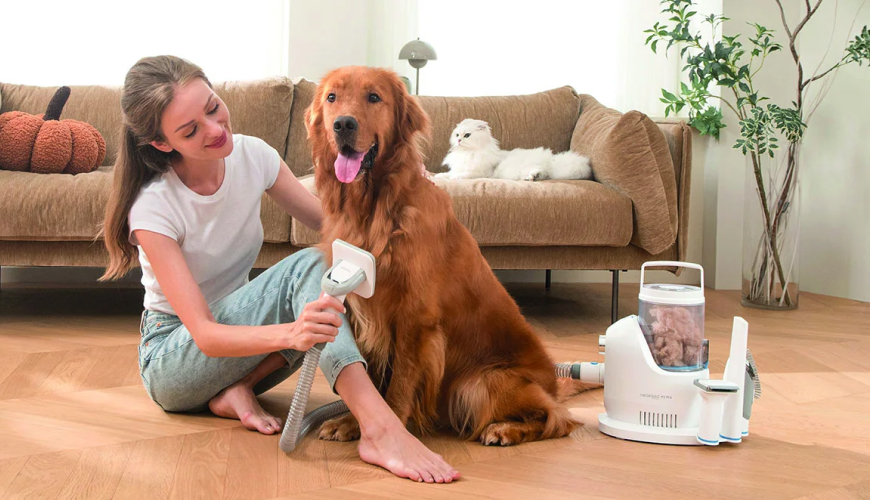
Grooming is an essential part of keeping your pet healthy, clean, and comfortable. But for many pet parents, grooming at home can be a daunting, messy, and time-consuming task. Enter the Neakasa P2 Max Grooming Kit—a powerful, easy-to-use grooming system designed to take the stress out of pet care while delivering salon-quality results right at home.

Whether you have a fluffy golden retriever, a short-haired tabby, or a playful poodle, the Neakasa P2 Max is built to handle grooming needs for all kinds of pets. Let’s dive deep into what makes this kit a game-changer for pet lovers.

What Is the Neakasa P2 Max Grooming Kit?

The Neakasa P2 Max Grooming Kit is an all-in-one grooming system that combines powerful suction, a quiet motor, and a range of professional-grade grooming tools. It’s designed to remove loose fur, trim hair, and clean up as you groom—all without leaving a trail of fur behind.

The unit comes with a variety of attachments, each serving a specific purpose in your pet’s grooming routine. Think of it as your personal pet salon, compact and ready to use at home!

Key Features and Benefits

Let’s break down what makes the Neakasa P2 Max such a hit among pet owners:

1. Powerful Suction for a Clean Home

One of the biggest challenges in grooming is the fur that ends up on your clothes, floors, and furniture. With its upgraded vacuum suction system, the Neakasa P2 Max captures up to 99% of loose hair, dirt, and dander directly into a built-in dustbin. No more chasing flying fur or cleaning up after every grooming session.

This is especially helpful during the shedding season when even a short brushing can turn your home into a fur storm!

2. Multi-Functional Grooming Tools

The kit comes with five professional grooming attachments:

  • Grooming Brush – For detangling and removing loose hair.
  • Deshedding Tool – Reduces shedding by reaching deep into the undercoat.
  • Electric Clippers – With several guard combs for safe trimming at different lengths.
  • Cleaning Brush – Helps tidy up hair left on surfaces and clothes.
  • Nozzle Tool – Acts like a mini vacuum cleaner for pet bedding, floors, or car seats.

Each tool attaches easily and works seamlessly with the suction function to keep the process smooth and clean.

3. Low-Noise Design

Pets can be easily startled by loud noises, especially from grooming tools. The Neakasa P2 Max is designed with noise-reducing technology, operating at a quiet level of around 52 dB—quieter than a normal conversation.

This is ideal for anxious pets or first-time grooming sessions at home. You can groom your pet without the stress or struggle caused by traditional loud clippers or vacuums.

4. User-Friendly and Ergonomic

The design is simple and intuitive. Even if you’ve never groomed your pet before, you’ll find the controls easy to understand. The detachable dustbin is easy to empty and clean, and the flexible hose gives you plenty of room to move while grooming.

Whether you’re trimming fur, brushing out tangles, or vacuuming up pet hair from the sofa, it’s a stress-free process from start to finish.

5. Safe for All Coat Types

From short-haired dogs to long-haired cats, the Neakasa P2 Max Grooming Kit is suitable for a wide range of coat types and breeds. The adjustable clipper guards allow for personalized haircuts, and the gentle brush heads prevent skin irritation.

Why Choose the Neakasa P2 Max?

Still wondering if this tool is worth it? Here are some reasons why pet owners love it:

Time-Saving

No more trips to the groomer every month. The Neakasa P2 Max lets you do routine grooming at home, saving both time and money. In just a few minutes, your pet will be clean, trimmed, and camera-ready.

Cost-Effective

Professional grooming can cost hundreds annually. With this one-time investment, you’ll have all the tools you need for regular maintenance—without ongoing expenses.

Great for Multi-Pet Homes

If you have more than one pet, grooming costs double or triple. With Neakasa, you can easily rotate between pets and keep everyone looking their best.

Travel-Ready

Lightweight and compact, this kit is easy to store or pack if you travel with your pet. No need to search for a groomer while you’re away.

Real-World Use: What Pet Owners Are Saying

Many users report that their pets were surprisingly calm during their first grooming session with the Neakasa P2 Max. Thanks to the quiet motor and smooth operation, even nervous dogs and cats tolerated grooming much better than expected.

One happy customer shared:

“My golden retriever sheds like crazy, and this kit has changed everything. Grooming used to take an hour and leave hair everywhere. Now it’s a 15-minute job and my house stays clean!”

Another added:

“I was worried my cat would be scared of it, but it’s so quiet she actually sat still for brushing. I love the deshedding tool and the vacuum nozzle for her bed.”

How to Use the Neakasa P2 Max (as seen in the video)

  1. Introduce it slowly – Let your pet sniff the device before turning it on.
  2. Start with brushing – Use the grooming brush to get your pet used to the sensation.
  3. Switch to trimming – Use clippers for body trimming with adjustable combs.
  4. Finish with vacuuming – Use the nozzle to remove fur from clothes, furniture, and floors.
  5. Empty and clean – Detach and empty the dustbin after each session.

The video on the Pet Barn website demonstrates each step clearly, showing how effortless and mess-free grooming becomes with this system.

The Neakasa P2 Max Grooming Kit is more than just a grooming tool—it’s a total pet care solution. Designed with both pets and owners in mind, it offers a clean, quiet, and effective way to groom your furry companions at home.

If you’re tired of fur-covered furniture, expensive grooming visits, or pets that hate bath time, the Neakasa P2 Max is your answer. Once you try it, you may wonder how you ever managed without it.

Ready to transform grooming time into bonding time?
Explore the Neakasa P2 Max Grooming Kit today at Pet Barn and bring home a cleaner, happier grooming experience—for you and your pet.

Feeding time is one of the most important parts of your pet’s day. Whether you’re a dog lover, a cat enthusiast, or the proud parent of a smaller animal, having the right bowls and feeding accessories can make a big difference in your pet’s health, happiness, and hygiene. From choosing the right material to exploring innovative accessories, this guide will walk you through everything you need to know about bowls and feeding accessories for your furry friend.

Why Feeding Accessories Matter

Feeding accessories are more than just containers for food and water—they’re essential tools that support your pet’s overall well-being. The right bowl can help prevent health issues such as bloating, whisker fatigue, and even joint strain. Good-quality accessories also promote cleaner eating habits and can be more durable, reducing the need for frequent replacements.

For pet parents, having the right gear can also make life easier, from reducing spills to making clean-up quicker and safer.

Types of Pet Bowls

There are many different types of bowls to choose from, and selecting the right one depends on your pet’s size, eating habits, and health needs.

1. Stainless Steel Bowls

Stainless steel is a favorite for many pet owners. These bowls are durable, rust-resistant, and easy to clean. They don’t absorb odors or stains and are generally dishwasher-safe.

Pros:

  • Long-lasting
  • Hygienic
  • Ideal for both food and water

Cons:

  • Can slide around if not rubber-bottomed
  • Might be too cold for some pets

2. Ceramic Bowls

Ceramic bowls often come in fun designs and colors, making them a stylish choice for pet owners. They are heavier, which means less sliding, and they retain temperature well.

Pros:

  • Attractive design
  • Stable
  • Doesn’t affect food taste

Cons:

  • Can chip or break if dropped
  • Needs regular cleaning to prevent bacteria buildup

3. Plastic Bowls

Plastic bowls are lightweight, affordable, and widely available. However, they can scratch easily, and those tiny scratches can harbor bacteria.

Pros:

  • Budget-friendly
  • Comes in various shapes and colors
  • Lightweight and portable

Cons:

  • Less durable
  • May cause allergic reactions in some pets
  • Not as hygienic over time

4. Elevated Bowls

Elevated feeding stations are great for older pets or those with joint or digestive issues. They help reduce strain on the neck and promote better posture during eating.

Pros:

  • Easier access for pets with mobility issues
  • Reduces gulping and bloating
  • Keeps feeding area tidier

Cons:

  • Not ideal for small pets
  • Can take up more space

Specialized Feeding Accessories

Beyond standard bowls, there are many accessories that can enhance mealtime for pets.

1. Slow Feeders

Some pets eat too quickly, which can lead to indigestion or even choking. Slow feeder bowls have ridges or patterns that force pets to eat more slowly.

Benefits:

  • Improves digestion
  • Prevents overeating
  • Makes meals more engaging

2. Automatic Feeders

If you’re frequently away from home or want to keep feeding on a strict schedule, automatic feeders are a smart solution. These devices dispense pre-set portions of food at specific times.

Benefits:

  • Perfect for busy pet parents
  • Helps with portion control
  • Reduces risk of missed meals

3. Water Fountains

Pets, especially cats, love running water. Pet water fountains encourage them to drink more, which is especially helpful for urinary and kidney health.

Benefits:

  • Promotes hydration
  • Filters water for freshness
  • Encourages natural drinking behavior

4. Travel Bowls

Ideal for on-the-go pet parents, travel bowls are foldable or collapsible and easy to carry during hikes, road trips, or park outings.

Benefits:

  • Lightweight and compact
  • Easy to clean
  • Keeps pets hydrated anywhere

Choosing the Right Accessories for Your Pet

Here are some tips to help you choose the best bowls and feeding accessories for your pet:

Consider Their Size and Breed

Larger dogs need bigger bowls, while smaller pets need appropriately sized dishes to avoid food waste or mess. Flat-faced breeds like pugs or Persian cats benefit from shallow, wide bowls to make eating more comfortable.

Observe Their Eating Habits

Does your pet eat too fast? Are they messy drinkers? Choose accessories that address these habits, such as slow feeders or non-spill water bowls.

Factor in Their Health Needs

Pets with arthritis, neck issues, or sensitive stomachs may need elevated bowls or bowls designed to support slow eating.

Think About Cleaning

Bowls need to be cleaned daily to prevent the build-up of bacteria. Choose materials that are easy to clean and dishwasher-safe if possible.

Keeping Feeding Areas Clean and Safe

A clean feeding area is essential for your pet’s health. Here’s how to maintain it:

  • Wash bowls daily with warm soapy water or in the dishwasher.
  • Check for cracks or scratches in plastic and ceramic bowls and replace when necessary.
  • Clean mats or feeding stations regularly to avoid mold or mildew buildup.
  • Keep food storage containers sealed and away from heat or moisture.

Eco-Friendly & Smart Feeding Options

As sustainability becomes more important, many pet owners are turning to eco-friendly products made from recycled or biodegradable materials. You can also find smart feeders that pair with mobile apps to monitor your pet’s eating habits.

These options can be a bit more expensive but offer long-term value in terms of convenience, health tracking, and reducing your environmental impact.

Feeding your pet goes beyond pouring food into any bowl. With the right bowls and accessories, you can make mealtime healthier, cleaner, and more enjoyable for your furry friend. Whether it’s a stainless steel bowl for durability, a slow feeder to control portions, or a water fountain to keep them hydrated, the perfect feeding setup is out there for every pet.

By paying attention to their unique needs and habits, you’ll not only make mealtime better—you’ll also contribute to their long-term health and happiness.

Cats are often perceived as gentle, calm, and aloof creatures. While many cats are indeed affectionate and peaceful companions, some may display signs of aggression that can be confusing or even alarming to their human caregivers. Understanding the root causes of feline aggression and knowing how to manage it effectively is key to maintaining a safe and loving relationship with your cat.

In this article, we’ll explore the various types and causes of cat aggression and provide practical strategies to manage and reduce aggressive behavior.

Understanding Feline Aggression

Aggression is a natural feline behavior that can arise for a variety of reasons. It is important to remember that cats are predators by nature, and their instincts drive them to react in certain ways when they feel threatened, overstimulated, or territorial.

Aggression can manifest in several forms, including:

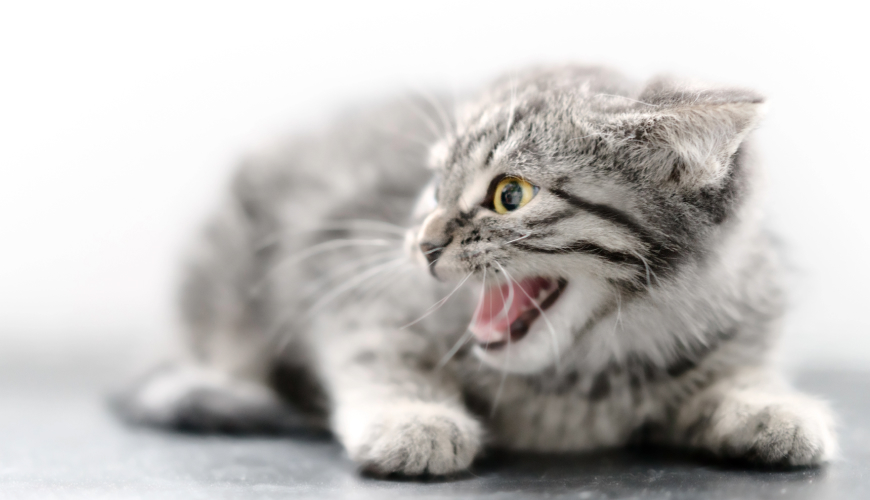
  • Hissing, growling, or spitting
  • Swatting or scratching
  • Biting (light or severe)
  • Puffed-up fur or an arched back
  • Tail lashing or low, tense posture

Recognizing the context and body language associated with aggression helps identify the trigger and reduce the likelihood of future incidents.

Common Causes of Aggression in Cats

1. Fear or Anxiety

Fear-based aggression is one of the most common types. When a cat feels cornered, threatened, or frightened, it may lash out to protect itself. This type of aggression can be triggered by unfamiliar people, loud noises, other animals, or sudden movements.

2. Territorial Behavior

Cats are naturally territorial animals. When a new cat, dog, or even human enters their perceived territory, some cats may react with aggression to defend their space.

3. Redirected Aggression

This occurs when a cat becomes agitated by something it cannot reach or control—such as another cat outside a window—and then redirects that aggression toward a person or another pet nearby.

4. Petting-Induced Aggression

Some cats enjoy being petted—up to a point. Petting-induced aggression happens when a cat becomes overstimulated during handling or petting and suddenly bites or scratches. This can be confusing for owners who believe their cat was enjoying the interaction.

5. Pain or Medical Issues

Sudden aggression may be a sign of an underlying health problem. Conditions such as arthritis, dental disease, hyperthyroidism, or neurological issues can cause discomfort and make a cat more irritable or defensive.

6. Maternal Aggression

A nursing mother cat may become aggressive if she feels her kittens are threatened. This behavior is protective and usually temporary.

7. Play Aggression

Kittens and young cats, especially those that weren’t socialized properly, may exhibit aggressive play that mimics hunting behavior—biting, pouncing, and clawing. While this is natural, it can be painful and needs redirection.

How to Manage Aggressive Behavior in Cats

Managing cat aggression involves identifying the trigger, addressing the root cause, and using positive, consistent methods to change behavior. Here’s how you can help your cat feel safer and reduce aggressive tendencies:

1. Visit the Veterinarian

Always rule out medical issues first. If your cat suddenly becomes aggressive or their behavior changes drastically, a check-up is essential. Pain or illness could be the underlying cause, and treating it may resolve the aggression.

2. Give Your Cat Space

If your cat is showing signs of aggression, don’t try to pet, hold, or punish them. Instead, give them time and space to calm down. Forcing interaction can make the situation worse. Allow them to retreat to a safe zone.

3. Avoid Punishment

Never yell, hit, or spray your cat with water. Punishment creates fear and distrust, increasing the likelihood of future aggression. Instead, reward calm behavior and use gentle redirection.

4. Recognize Early Warning Signs

Learn to read your cat’s body language. Flattened ears, dilated pupils, twitching tails, and growling are signs that your cat is becoming agitated. Stop what you’re doing and give them space if you notice these cues.

5. Redirect with Toys

For cats that show aggressive play behavior, use interactive toys like feather wands or laser pointers. These allow your cat to engage their hunting instincts without biting or scratching you.

6. Provide Environmental Enrichment

Bored or under-stimulated cats may become aggressive. Make sure your cat has access to:

  • Scratching posts
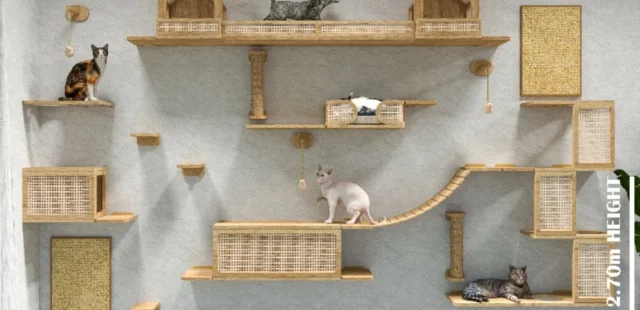
  • Perches and climbing trees
  • Puzzle feeders
  • Toys that rotate regularly

This helps reduce stress and redirects their energy into healthy outlets.

7. Control the Environment

If redirected aggression is a problem (e.g., due to seeing outdoor cats), you can:

  • Block access to windows or draw curtains
  • Use motion-activated deterrents outside
  • Spray calming pheromones like Feliway in the house

8. Use Positive Reinforcement

Reward your cat for calm behavior. Treats, praise, and affection (on their terms) help reinforce trust. Clicker training can also be useful for reinforcing non-aggressive behaviors.

9. Slow Introductions

When introducing a new pet or person, do so slowly. Keep them separated at first and allow scent exchanges before physical meetings. Gradual introductions reduce the chance of territorial or defensive aggression.

When to Seek Professional Help

If your cat’s aggression is severe, unpredictable, or dangerous, don’t hesitate to consult a professional. Certified feline behaviorists or veterinary behaviorists can create a tailored behavior modification plan. In some cases, medications may be recommended to help manage underlying anxiety or fear.

While feline aggression can be challenging, it is often manageable with patience, observation, and care. Understanding your cat’s triggers, respecting their boundaries, and providing a calm, enriched environment can go a long way in reducing aggression and building a stronger, more trusting bond.

Remember: aggression is a form of communication. Your cat is trying to tell you something—your job is to listen, respond thoughtfully, and ensure they feel safe and understood.