



Same day delivery + Free on orders of 10 KWD or above Shop Now

Mini Cart

Dogs are beloved companions, often regarded as part of the family. Just like humans, dogs can suffer from a range of diseases, some more common than others. As responsible pet owners, it’s crucial to be informed about these illnesses so you can recognize early signs and seek prompt veterinary care. In this blog, we’ll explore the most common diseases that affect dogs, their symptoms, causes, and prevention methods.

1. Parvovirus (Parvo)

Overview:
Parvovirus is a highly contagious viral disease that affects dogs, especially puppies under six months old. It primarily attacks the gastrointestinal tract, leading to severe dehydration and even death if not treated promptly.

Symptoms:

  • Severe vomiting
  • Bloody diarrhea
  • Lethargy
  • Fever
  • Loss of appetite

Causes and Transmission:
Parvo spreads through contact with infected dogs or contaminated objects like bowls, toys, and the ground.

Prevention:
Vaccination is the most effective prevention. Ensure your puppy completes its full vaccine schedule and avoid public places until fully vaccinated.

2. Canine Distemper

Overview:
Canine distemper is another highly contagious viral disease. It affects a dog’s respiratory, gastrointestinal, and nervous systems.

Symptoms:

  • Coughing and nasal discharge
  • Vomiting and diarrhea
  • Seizures
  • Eye inflammation
  • Fever and lethargy

Transmission:
It spreads through airborne exposure or direct contact with an infected animal or contaminated surfaces.

Prevention:
Routine vaccination and avoiding contact with unvaccinated dogs are key prevention strategies.

3. Kennel Cough (Infectious Tracheobronchitis)

Overview:
Kennel cough is a common respiratory infection, especially in dogs who spend time in shelters, grooming centers, or dog parks.

Symptoms:

  • Dry, hacking cough
  • Gagging
  • Sneezing
  • Nasal discharge
  • Lethargy in severe cases

Causes:
It is caused by a combination of bacteria and viruses, most notably Bordetella bronchiseptica and canine parainfluenza virus.

Prevention:
Vaccination is available for kennel cough. Good ventilation, clean facilities, and limiting exposure to infected dogs can help.

4. Heartworm Disease

Overview:
Heartworms are parasitic worms that live in the heart, lungs, and blood vessels of affected dogs, leading to lung disease, heart failure, and damage to other organs.

Symptoms:

  • Mild cough
  • Fatigue after exercise
  • Weight loss
  • Difficulty breathing
  • Swollen abdomen in advanced stages

Causes:
It is spread through mosquito bites, making prevention especially important in warm climates.

Prevention:
Monthly heartworm preventives (oral or topical) are essential. Annual testing is also recommended.

5. Canine Arthritis (Osteoarthritis)

Overview:
This chronic joint condition commonly affects older dogs, especially large breeds or those with prior joint injuries.

Symptoms:

  • Stiffness or limping
  • Difficulty standing or climbing stairs
  • Reluctance to move
  • Behavior changes due to pain

Causes:
Aging, obesity, genetics, or injury can contribute to arthritis.

Prevention and Management:
While not entirely preventable, maintaining a healthy weight, proper exercise, and joint supplements can help. Pain medications and physical therapy may be prescribed by a vet.

6. Lyme Disease

Overview:
Lyme disease is caused by a bacteria transmitted through tick bites. It can affect multiple systems in the dog’s body, including the joints, heart, and kidneys.

Symptoms:

  • Fever
  • Lameness (which may shift between legs)
  • Swollen joints
  • Fatigue
  • Loss of appetite

Prevention:
Regular tick checks, tick preventives, and avoiding tick-infested areas help reduce the risk. A vaccine is also available.

7. Ear Infections

Overview:
Ear infections are among the most common reasons for vet visits, particularly in breeds with floppy ears (like Cocker Spaniels and Basset Hounds).

Symptoms:

  • Head shaking or tilting
  • Scratching at the ears
  • Odor or discharge
  • Redness or swelling in the ear canal

Causes:
They can be caused by bacteria, yeast, ear mites, moisture, or allergies.

Prevention:
Regular ear cleaning, especially after bathing or swimming, can help. Always dry the ears well and check for signs of infection.

8. Obesity

Overview:
While not a disease itself, obesity can lead to a variety of health problems, including diabetes, joint problems, heart disease, and decreased lifespan.

Symptoms:

  • Excessive body fat
  • Difficulty exercising
  • Lethargy
  • Heavy breathing

Causes:
Overfeeding, lack of exercise, and inappropriate diet are main contributors.

Prevention and Management:
Feeding a balanced diet, controlling portion sizes, and regular physical activity are essential to maintain a healthy weight.

9. Dental Disease

Overview:
Dental issues are extremely common in dogs, especially after the age of three. If left untreated, it can lead to gum disease, tooth loss, and even organ damage due to bacterial infection.

Symptoms:

  • Bad breath
  • Yellow or brown teeth
  • Drooling
  • Bleeding gums
  • Difficulty eating

Causes:
Lack of dental care, genetics, and poor diet can contribute.

Prevention:
Brushing your dog’s teeth regularly, providing dental chews, and scheduling professional cleanings are effective ways to prevent dental disease.

10. Skin Allergies (Atopic Dermatitis)

Overview:
Skin allergies are very common and may be caused by food, fleas, or environmental allergens like pollen or dust.

Symptoms:

  • Constant scratching
  • Licking paws
  • Red, inflamed skin
  • Hair loss
  • Ear infections

Causes:
Allergens trigger an immune response, causing irritation.

Prevention and Management:
Identify and avoid the allergen when possible. Your vet may recommend antihistamines, special shampoos, or allergy testing.

Dogs rely on us to keep them safe and healthy, and being aware of common diseases is a big part of responsible pet ownership. Early detection, regular veterinary check-ups, proper vaccinations, good nutrition, and preventative care can go a long way in ensuring your dog lives a long, happy, and healthy life.

If you notice any unusual behavior or symptoms in your dog, don’t wait—consult your veterinarian. Being proactive is the best way to protect your furry friend from serious illness.
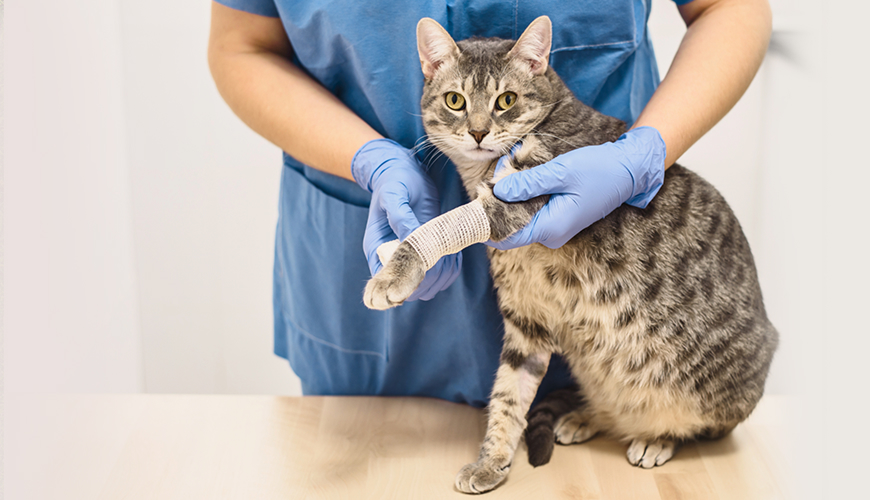
Cats are agile, graceful, and usually careful by nature. However, even the most cautious indoor cats can suffer accidents that may lead to injuries, including broken bones. If you notice your cat limping, crying in pain, or refusing to move, it could be a sign of a fracture.

This comprehensive guide will walk you through how to identify a possible broken limb in your cat, what to do in the moment, the treatment process, and how to care for your cat during recovery.

How to Tell if Your Cat Has a Broken Limb

Not all injuries are immediately visible. It’s important to observe your cat closely for physical or behavioral signs that may indicate a fracture:

  • Obvious limping or complete refusal to bear weight on a limb
  • Swelling or inflammation at a specific spot
  • Crying or vocalizing when the area is touched
  • A visible deformity, such as an odd bend in the leg
  • A sudden change in behavior – hiding, aggression, or lethargy
  • Difficulty jumping or moving as usual

If one or more of these symptoms appear, you may be dealing with a bone fracture. The first and most crucial step is to remain calm.

First Aid: What to Do Immediately

  1. Stay Calm and Reassure Your Cat
    Your cat is likely to be in pain and scared. Speak softly and approach them slowly to avoid causing further stress.
  2. Limit Movement
    Prevent your cat from walking, running, or jumping. Ideally, place them gently in a small, safe area like a padded box or pet carrier.
  3. Do Not Attempt to Fix It Yourself
    Do not try to straighten the limb, apply a splint, or move the injured area. Improper handling can worsen the fracture or cause more pain.
  4. Take Your Cat to the Vet Immediately
    The sooner your cat is examined, the better the chances for a successful recovery. Only a vet can properly assess the injury and start treatment.

Veterinary Diagnosis and Treatment Options

Once at the vet, your cat will undergo a physical exam and likely X-rays to determine the type and location of the fracture.

Common Types of Fractures in Cats:

  • Simple (closed) fracture – the bone is broken but does not pierce the skin
  • Open (compound) fracture – the bone breaks through the skin, often leading to infection
  • Comminuted fracture – the bone is broken into multiple pieces
  • Displaced fracture – the bone ends are misaligned

Treatment Methods Include:

  • Splints or Casts
    Used for stable and simple fractures, especially if they are below the elbow or knee.
  • Surgery (Internal Fixation)
    In complex or displaced fractures, your cat may require pins, plates, or screws to realign the bone.
  • Medication
    Your vet will likely prescribe painkillers, anti-inflammatories, and antibiotics if needed.
  • Strict Rest
    Regardless of the treatment method, your cat will need to stay calm and still for several weeks.

Home Care During Recovery

Your role at home is crucial for your cat’s healing. Here’s how to create a recovery-friendly environment and routine:

  1. Create a Quiet and Safe Space
    Set up a cozy corner in a quiet room or use a spacious crate to restrict movement. Include soft blankets and familiar items for comfort.
  2. Follow the Vet’s Instructions Carefully
    Administer all medications on schedule, and never stop them early, even if your cat seems better.
  3. Monitor the Injury Site
    If your cat had surgery or has a cast, check the area daily. Watch for swelling, foul smells, or discharge – these may signal infection.
  4. Feed a Nutritious Diet
    Support bone healing by feeding high-quality food rich in calcium, phosphorus, protein, and vitamins. Ask your vet for dietary recommendations.
  5. Prevent Jumping and Running
    Even if your cat appears to be healing, avoid letting them resume normal activity too soon. Set boundaries to keep them from leaping onto furniture or climbing.
  6. Use a Litter Box with Low Sides
    This makes it easier for your injured cat to access the box without strain.

Expected Healing Time and Follow-Up

Recovery time depends on the type and severity of the fracture, as well as your cat’s age and overall health. Generally, healing can take anywhere from 4 to 12 weeks.

During this period, your vet may schedule follow-up visits to:

  • Re-evaluate healing progress
  • Take follow-up X-rays
  • Adjust medications or treatment as needed

In some cases, physiotherapy or gentle exercises may be recommended to rebuild muscle strength once the bone has healed.

Preventing Future Accidents

While accidents can’t always be avoided, you can reduce your cat’s risk of injury by taking a few precautions:

  • Secure windows and balconies: Use protective screens or nets.
  • Discourage access to high shelves or unstable surfaces.
  • Supervise outdoor access: If your cat goes outside, make sure the environment is safe and enclosed.
  • Provide safe play zones: Use cat trees and toys designed to keep your cat active but protected.

Supporting Your Cat Emotionally

An injured cat is not only physically weak but can also feel emotionally vulnerable. Be patient and gentle:

  • Spend quiet time near your cat to comfort them.
  • Talk in a calm voice and pet them if they seem receptive.
  • Avoid punishing or scolding – your cat may be irritable or fearful due to pain.

Sometimes, post-injury anxiety or behavioral changes linger. If your cat continues to hide, avoids contact, or shows aggression after healing, consider a follow-up consultation or behavior therapy.

A broken limb is a serious but treatable condition in cats. With prompt veterinary care, attentive home management, and lots of love, most cats fully recover and return to their normal lives.

Remember: early action makes a difference. If you suspect your cat has a broken limb, don’t delay seeking veterinary attention. Your care, patience, and commitment during recovery will help your cat heal safely and feel loved throughout the process.

When you look at a cat’s face, its whiskers are among the first things you notice—those long, straight hairs extending from both sides of the nose and around the eyes. Many people think whiskers are just decorative features that give cats their charm. However, whiskers play a critical role in a cat’s survival and behavior. They’re not just there for looks—they’re incredibly sensitive sensory tools used for navigation, balance, and communication.

In this detailed article, we’ll explore everything cat owners need to know about whiskers: their biological structure, sensory functions, behavioral role, and why trimming or touching them improperly can be harmful.

1. What Are Cat Whiskers, Scientifically?

Cat whiskers are known in scientific terms as “vibrissae.” These are a specialized type of thick, rooted hair equipped with extremely sensitive nerve endings. They’re longer and stiffer than regular body hair and are found in specific areas of a cat’s body:

  • On the sides of the nose (the most prominent)
  • Above the eyes
  • On the chin
  • On the backs of the front legs

Each whisker is embedded deep in the skin, surrounded by a network of nerve endings and motion sensors, making them incredibly sensitive to touch, air movement, and vibrations.

2. How Do Cat Whiskers Work?

Whiskers act as built-in radar systems that help cats “read” their environment and locate nearby objects without physically touching them. They work similarly to motion or proximity sensors, detecting subtle changes in air currents and sending that information directly to the brain for interpretation.

For example, in a dark room, whiskers allow a cat to sense walls, furniture, and other obstacles by detecting how air flows around those objects.

3. Sensory and Behavioral Functions of Cat Whiskers

A. Navigation and Exploration

Cats are naturally nocturnal animals and often rely on their whiskers to explore in low-light conditions. Whiskers help them move confidently in darkness and avoid bumping into obstacles.

B. Measuring Tight Spaces

The full spread of a cat’s whiskers is roughly equal to the width of its body (excluding fur). So when a cat inserts its head into a tight opening, the whiskers help it determine whether the rest of its body can follow safely.

C. Hunting and Reflex Response

Even domestic cats retain their predatory instincts. Whiskers assist in precisely locating prey, especially once it’s trapped between their paws or in their mouth. They also detect quick movements around the cat—movements too fast for the eye to catch.

D. Communication and Emotional Signals

Whiskers are not static; they move according to the cat’s mood and intentions:

  • Forward-facing whiskers indicate curiosity, playfulness, or aggression.
  • Pulled-back whiskers reflect fear or defensiveness.
  • Relaxed whiskers suggest calmness and contentment.

By observing whisker position, owners can better understand their cat’s mood and avoid unwanted behavior.

E. Balance and Spatial Awareness

During a jump or fall, whiskers work together with the inner ear to help the cat adjust its posture in the air. This collaboration helps ensure that the cat lands on its feet.

4. The Dangers of Cutting or Damaging Whiskers

Trimming cat whiskers is one of the most harmful mistakes a pet owner can make.
While whiskers themselves contain no nerves and do not hurt when cut, removing them prevents the cat from using its sensory receptors. The consequences may include:

  • Loss of balance and frequent stumbling
  • Fear or hesitation when moving or jumping
  • Confusion when judging distances
  • Irritability and aggression
  • Depression or withdrawal from play and interaction

Whiskers typically take several weeks to grow back, leaving the cat disoriented and stressed in the meantime.

5. Whiskers as an Indicator of Health

Sudden changes in the whiskers’ appearance or texture may signal health issues:

  • Excessive whisker loss may point to nutritional deficiencies or stress
  • Broken whiskers might be caused by skin infections, excessive rubbing, or rough handling
  • Asymmetrical or clumped whiskers could indicate nerve or skin problems

If any unusual signs appear, it’s best to consult a veterinarian.

6. How to Care for Your Cat’s Whiskers

  1. Avoid touching them too often: Constant touching can make cats anxious or overstimulated.
  2. Never trim them: Whether for aesthetics or grooming, trimming whiskers is a serious mistake.
  3. Provide balanced nutrition: Protein and vitamin deficiencies can weaken whisker growth.
  4. Keep the environment clean: Avoid exposing your cat to harsh chemicals or irritants.
  5. Schedule regular vet checkups: Keep an eye on skin health and overall whisker condition.

7. Fascinating Facts About Cat Whiskers

  • Cats are born with whiskers that grow as they mature.
  • Whiskers can change color over time and may turn white with age.
  • Certain breeds, such as Maine Coon and Siberian cats, have longer whiskers than average.
  • Whiskers naturally shed and grow back periodically, just like fur.

Cat whiskers are far more than simple facial hairs—they’re sophisticated biological tools that help cats perceive and navigate the world. From measuring spaces and tracking prey to expressing emotions and maintaining balance, whiskers play a vital role in a cat’s daily life and overall well-being.

As cat owners, it’s crucial to understand their importance and avoid any behavior that may harm these sensitive hairs. Respecting your cat’s whiskers means respecting its instincts, comfort, and unique sensory world.

So next time you admire your cat’s adorable face, take a moment to appreciate its whiskers—tiny but mighty sensors that help make cats the extraordinary creatures they are.

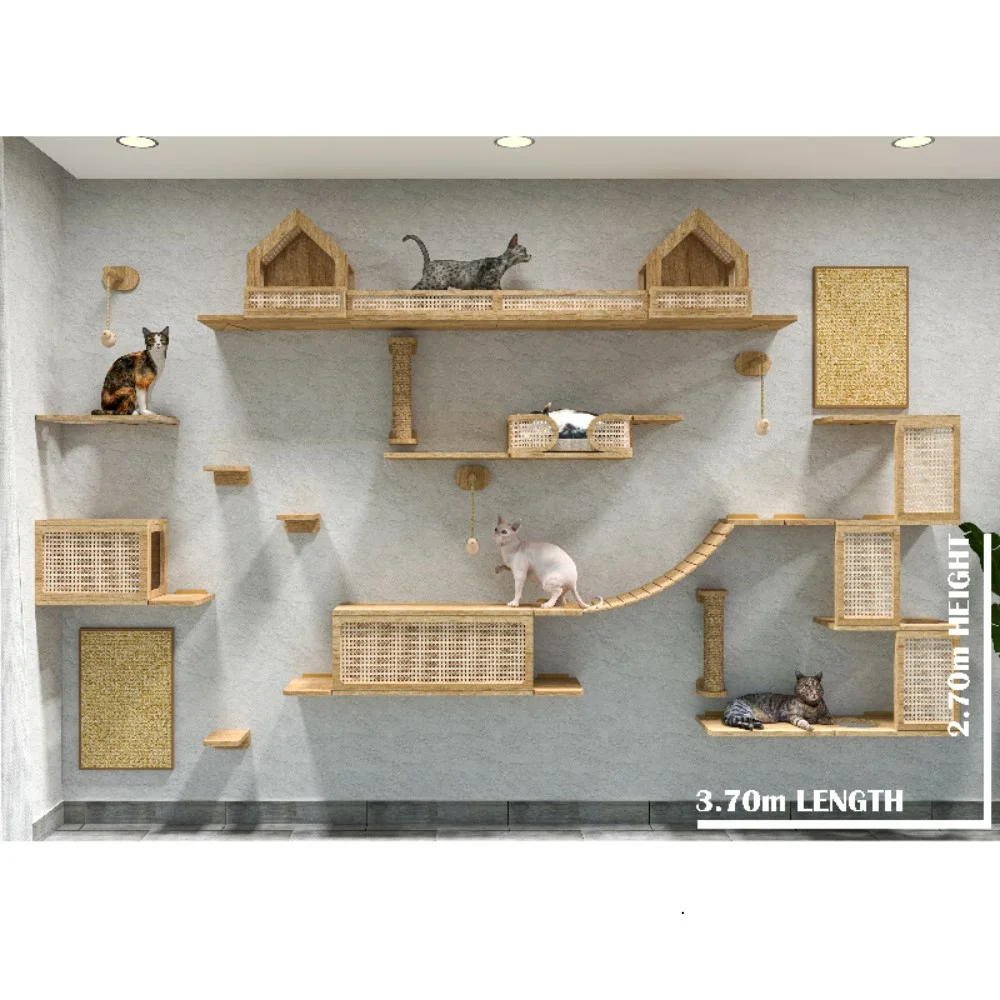
Cats are naturally curious and agile animals that thrive in environments that cater to their instincts. Whether it’s climbing, scratching, jumping, or napping high up, providing your feline friend with vertical space is one of the best ways to enrich their life—especially if you live in an apartment or have limited floor space. That’s where a cat wall comes in.

If you’re considering buying a cat wall, there’s one place that should be at the top of your list: Pet Barn. With an unbeatable combination of high-quality materials, innovative designs, and options that suit every home and every cat, Pet Barn stands out as the ultimate destination for cat walls.

What Is a Cat Wall?

Before we dive into why Pet Barn is the best place to purchase one, let’s quickly look at what a cat wall is. A cat wall is a wall-mounted playground for cats. It often includes a mix of platforms, shelves, ramps, bridges, and cozy perches that encourage exercise, exploration, and rest. These setups can be customized and scaled to fit any space—making them perfect for small apartments or larger homes alike.

Cat walls are more than decorative pieces—they fulfill several vital needs for your pet:

  • Encourage physical activity
  • Promote mental stimulation
  • Support territorial behavior
  • Offer a sense of safety and control

Why Choose Pet Barn for Your Cat Wall?

Let’s break down exactly why Pet Barn is the number one choice for cat lovers shopping for the perfect wall setup.

1. Exceptional Quality You Can Trust

At Pet Barn, quality is never compromised. The cat walls and wall-mounted furniture are made from durable, pet-safe materials that are built to last. Unlike generic alternatives that may use low-grade wood or weak adhesive fixtures, Pet Barn’s products are:

  • Crafted from sturdy materials like solid wood and high-grade plywood
  • Coated with non-toxic finishes that are safe for cats
  • Fitted with reinforced brackets to ensure maximum weight support

Your cat deserves a safe and stable place to climb and relax. Pet Barn ensures that each item meets the highest standards in safety and durability.

2. Wide Range of Designs for Every Space and Style

No two homes—or cats—are the same. That’s why Pet Barn offers a diverse selection of cat wall designs to suit any room and accommodate every feline personality.

Whether you’re looking for something minimalist, modern, rustic, or colorful, Pet Barn has something that fits your taste. Some popular design options include:

  • Floating Steps: Perfect for minimalist homes
  • Wall-Mounted Cat Trees: Great for vertical climbing
  • Bridge Sets: Ideal for adventurous cats
  • Corner Platforms: Smart use of unused space
  • Perch + Hammock Combos: For lounging in style

Additionally, the modular nature of many Pet Barn products means you can customize your wall layout or expand it later as needed.

3. Solutions for All House Sizes

Whether you’re furnishing a cozy studio apartment or a multi-level home, Pet Barn has a cat wall that fits your space. The store offers both:

  • Compact, single-shelf solutions for tight areas
  • Expansive multi-piece wall systems for more ambitious setups

If you’re short on floor space, cat walls allow you to give your pet more vertical territory without taking up any room at ground level. And with Pet Barn’s range of size options, you’ll find a setup that maximizes your space without making your room feel cluttered.

4. Tailored for Every Cat’s Needs

Is your cat energetic and always on the move? Or perhaps your feline prefers napping in elevated, quiet spaces? Pet Barn has considered every type of cat when designing its wall products.

Here’s how Pet Barn caters to different feline needs:

  • For Active Climbers: Tall climbing sets and multiple jumping platforms
  • For Senior Cats: Lower-mounted shelves with soft padding
  • For Multiple Cats: Larger, more robust wall systems to reduce territorial conflicts
  • For Shy Cats: Enclosed wall cubbies and hideaways for security

Each product listing includes clear information about the dimensions, weight capacity, and ideal cat type—so you can make the right choice.

5. Easy Installation & Setup Support

A common concern among pet owners is whether cat walls are easy to install. Pet Barn addresses this with user-friendly designs and detailed installation guides.

Many products include:

  • Pre-drilled holes and clear hardware
  • Step-by-step instructions
  • Customer support for setup assistance

Even if you’re not handy with tools, Pet Barn makes it simple to transform your wall into a feline wonderland.

6. Trusted by Pet Parents Nationwide

Pet Barn has earned a strong reputation among pet owners thanks to their commitment to quality, customer satisfaction, and pet well-being. Thousands of customers trust Pet Barn not only for cat walls but for all their pet care needs.

When you buy from Pet Barn, you’re not just purchasing a product—you’re investing in a reliable and supportive shopping experience.

7. Affordable Options and Great Value

While premium quality often comes with a higher price tag, Pet Barn makes it a point to offer great value at every price level. You can find affordable cat wall setups without sacrificing safety or style. Look out for:

  • Regular sales and discounts
  • Bundle deals on multi-piece wall sets
  • Loyalty programs and member perks

Investing in your cat’s happiness and health doesn’t have to break the bank.

8. Eco-Friendly Choices

More pet owners are becoming environmentally conscious, and Pet Barn is keeping pace. Many of their cat wall products are made with sustainable wood and packaging. If eco-friendliness is important to you, you’ll find plenty of options that match your values.

Give Your Cat the Vertical Life They Crave

A well-designed cat wall can dramatically improve your cat’s quality of life. It provides exercise, entertainment, and a sense of territory—all critical for a happy, healthy cat. And when it comes to finding the best cat wall setup, Pet Barn is the clear leader.

With unmatched quality, versatile designs, and a deep understanding of feline needs, Pet Barn offers everything you need to build a cat-friendly environment that fits beautifully in your home.

Ready to elevate your cat’s world? Browse Pet Barn’s collection of cat walls today—and create a vertical playground your furry friend will love.

Summer is here, and just like us, our furry friends feel the heat. As temperatures rise, it’s essential to keep your dog cool, comfortable, and protected from the harsh sun. One fun and practical way to do this is by dressing your pup in summer clothes designed specifically for dogs. And when it comes to quality, comfort, and fashion-forward designs, Pet Barn is your ultimate destination.

Whether you’re heading to the beach, going on a picnic, or simply enjoying a walk in the park, Pet Barn’s summer clothing collection for dogs ensures your pup looks adorable while staying safe from the sun. Let’s explore why Pet Barn’s summer dog clothes are a must-have and how they combine function with fabulous style.

Why Dress Your Dog in Summer Clothes?

Some pet owners may wonder—do dogs really need clothes in the summer? While thick or heavy outfits aren’t ideal in the heat, lightweight, breathable summer clothing serves many important purposes:

  • Sun Protection: Light shirts and tank tops can protect your dog’s skin and coat from UV rays, especially for short-haired or light-colored breeds.
  • Cooling Fabric Options: Some summer dog clothes are made from fabrics that reflect sunlight or help cool your dog through evaporation.
  • Allergy and Bug Protection: Clothes can act as a barrier against pollen and insect bites while outdoors.
  • Style & Personality: Summer outfits let your dog show off their personality, stand out in the park, and even match your outfit for fun photos!

At Pet Barn, the summer range is designed with all these benefits in mind—offering stylish choices without compromising your dog’s comfort.

High-Quality Materials for Warm Weather

What sets Pet Barn’s summer clothes apart from others on the market? It starts with top-quality materials. Each garment is thoughtfully made to ensure it’s:

  • Breathable – Allows air to circulate, preventing overheating
  • Lightweight – Made from soft fabrics that won’t weigh your dog down
  • Stretchy & Comfortable – Easy to move in, perfect for playful pups
  • Machine-Washable – Built for real life and real adventures

From cotton blends to quick-dry mesh, Pet Barn only offers clothes made with your pet’s comfort and safety in mind. Your dog can enjoy warm-weather activities without feeling restricted or uncomfortable.

Stylish Designs That Make Heads Turn

Let’s be honest—one of the best parts of dressing up your dog is how adorable they look. Pet Barn’s collection doesn’t just stop at comfort. It’s also all about fashion-forward flair.

Whether you’re into trendy, sporty, classic, or fun looks, Pet Barn has a variety of styles to suit every pup’s personality:

  • Tropical Shirts & Hawaiian Prints – Perfect for beach days and barbecues
  • Pastel Dresses with Frills – Sweet and breezy looks for girl pups
  • Tank Tops & Cool Tees – Great for casual walks and playtime
  • Matching Sets – For those adorable “twinning” photo moments with your pup
  • Event Outfits – For birthdays, dog parties, or special summer occasions

These clothes aren’t just cute—they’re crafted with details like reinforced stitching, soft seams, and easy closures to make dressing up quick and safe.

Clothes That Fit All Breeds and Sizes

One of the biggest challenges in buying dog clothes is finding the right fit. Pet Barn makes this easy with a wide size range, from tiny toy breeds to large dogs. Each product includes a helpful size chart so you can measure your pup correctly and choose a fit that allows full movement without being too loose or tight.

Need help choosing? Pet Barn’s customer service team is always happy to assist in finding the right size and style for your furry friend.

Dress for Every Occasion

Summer is a season full of activity, and your dog should be ready for every adventure. With Pet Barn’s summer collection, you’ll find the right outfit for every event, such as:

  • Daily Walks: Lightweight shirts or tanks to keep them cool under the sun
  • Beach Days: Quick-dry outfits that look great and dry fast after a splash
  • Road Trips: Soft tees and travel-friendly clothes for comfort on the go
  • Garden Parties or BBQs: Outfits with fun patterns that will get your pup noticed
  • Instagram Photoshoots: Yes, your dog can be a social media star!

Whatever the plan, you’ll find something stylish and functional at Pet Barn.

Easy On, Easy Off: Designed for Convenience

Pet Barn understands that dogs don’t love to sit still, especially when it’s time to get dressed. That’s why every piece in the summer collection is designed to be:

  • Quick to put on and take off
  • Secure with Velcro or easy snap buttons
  • Gentle on your dog’s skin and fur
  • Flexible for movement and play

So whether your dog is excited, wiggly, or impatient, getting them ready will be stress-free for you both.

Make Your Dog Stand Out

There’s something truly delightful about seeing your dog dressed up and turning heads wherever they go. With Pet Barn’s clothing line, your pet won’t just blend into the crowd—they’ll become the center of attention.

Stylish clothes make your dog:

  • Look polished and photogenic
  • Reflect your personal style
  • Express their unique character
  • Feel included in family outings and events

Plus, a well-dressed dog often gets more positive attention, making new dog park friends even easier!

Style + Comfort + Function = Pet Barn Summer Clothes

When it comes to summer fashion for dogs, Pet Barn strikes the perfect balance between form and function. With breathable fabrics, beautiful designs, and fits for every size and breed, your dog can enjoy summer to the fullest—while looking absolutely charming.

Whether you’re shopping for a practical tank top, a special outfit for a celebration, or just something fun to brighten your walks, Pet Barn has everything you need. Your pup deserves to look as great as they feel this summer.

So why wait? Head to the Pet Barn website, browse the latest summer dog clothing collection, and treat your furry friend to the fashion and comfort they deserve. After all, nothing says “pampered pup” like a well-dressed dog soaking up the summer sun.