



Same day delivery + Free on orders of 10 KWD or above Shop Now

Mini Cart

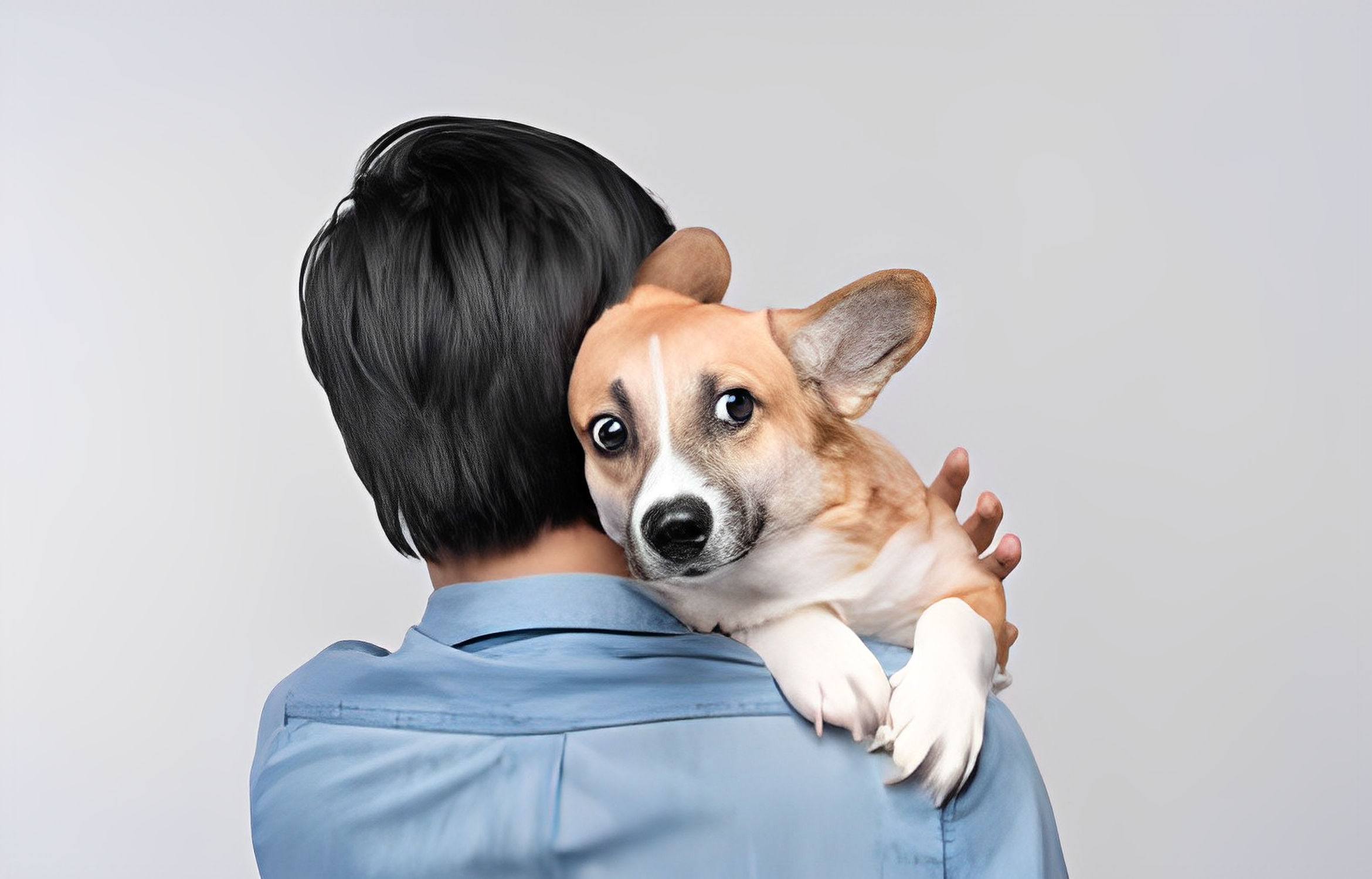
Dogs, often referred to as man’s best friend, bring joy, companionship, and unconditional love to many households. However, for some children, the thought of interacting with a dog can be overwhelming, triggering fear and anxiety. Whether stemming from a past traumatic experience or an unfamiliarity with these furry friends, assisting children in overcoming their fear of dogs is crucial for fostering positive relationships with animals. In this comprehensive blog post, pet barn will explore various strategies to build trust and confidence in children when it comes to dogs.

Understanding the Fear:

Before delving into solutions, it’s essential to grasp the root causes of a child’s fear of dogs. Common triggers include past traumatic experiences, such as a dog bite or aggressive behavior, or exposure to negative portrayals of dogs in media. Additionally, some children may develop fear due to a lack of exposure to dogs or growing up in an environment where dogs were not a part of daily life.

1. Gradual Exposure:

One of the most effective ways to help kids overcome their fear of dogs is through gradual exposure. Start with small, controlled interactions in a safe environment. For instance, introduce the child to a calm and friendly dog from a distance, allowing them to observe the dog’s behavior without feeling threatened.

As the child becomes more comfortable, gradually decreases the distance between them and the dog. Encourage gentle interactions, such as letting the child offer a treat or a toy under your supervision. The key is to move at the child’s pace, ensuring they feel in control of the situation.

2. Education and Positive Reinforcement:

Educating children about dog behavior and body language can significantly reduce fear. Teach them to recognize signs of a friendly and relaxed dog, such as a wagging tail, relaxed posture, and soft ears. Similarly, help them understand signs of stress or aggression, such as growling, bared teeth, or a rigid body.

Positive reinforcement plays a crucial role in building trust. When a child demonstrates calm and confident behavior around a dog, praise and reward them. This positive association helps reshape their perception of dogs from a source of fear to one of positive experiences.

3. Lead by Example:

Children often learn by observing the behavior of adults. If parents or caregivers exhibit fear or discomfort around dogs, children are more likely to mirror these emotions. Therefore, it’s essential for adults to model calm and confident behavior when interacting with dogs.

Demonstrate proper ways to approach and interact with dogs, emphasizing the importance of gentleness and respect for the animal’s boundaries. By showcasing a positive attitude, adults can instill a sense of security and assurance in children.

4. Interactive Learning:

Utilize interactive methods to educate children about dogs. Books, videos, and educational games can provide valuable insights into the world of dogs, their habits, and their importance as loving companions. Choose materials that are age-appropriate and engaging, fostering a positive curiosity about dogs.

Interactive learning can also extend to visits to dog-friendly parks, where children can observe dogs in a natural setting. This exposure can be instrumental in demystifying dogs and helping children realize that most dogs are friendly and approachable.

5. Professional Assistance:

In cases where a child’s fear of dogs is severe or significantly impacts their daily life, seeking professional help may be necessary. Child psychologists or therapists with expertise in phobias can work with both the child and their parents to address and overcome fear.

Professional assistance may involve exposure therapy, where the child is gradually exposed to dogs in a controlled environment, allowing them to build confidence over time. This therapeutic approach can be particularly effective in treating specific phobias related to dogs.

6. Family Involvement and Support:

Creating a supportive family environment is crucial in helping children overcome their fear of dogs. Encourage family members to participate in the gradual exposure process and reinforce positive behaviors. Share educational resources with the entire family, fostering a collective understanding of dogs and their role in family life.

7. Empathy and Patience:

Understanding that overcoming a fear is a gradual process is essential. Show empathy towards the child’s feelings and acknowledge their progress, no matter how small. Patience is key, as pressuring a child or moving too quickly can exacerbate their fear. Celebrate small victories and be supportive as they navigate through their feelings.

Helping kids overcome their fear of dogs is a multifaceted journey that demands patience, understanding, and a collaborative effort between parents, caregivers, and educators. By employing these strategies and creating positive associations with dogs, children can develop trust and confidence, paving the way for a harmonious relationship with these beloved companions. Remember, every child is unique, so the key is to tailor the approach to their individual needs, ensuring a gradual and positive transition from fear to comfort around dogs.
Dogs, renowned for their unwavering loyalty and companionship, are not immune to the effects of anxiety and stress. Much like humans, these emotions can significantly impact their well-being. Understanding the root causes of canine anxiety and stress is crucial for pet owners seeking to provide a supportive and comforting environment for their furry friends. In this comprehensive guide, pet barn will explore in depth the various reasons dogs may experience anxiety, along with practical strategies to alleviate their stress and promote a happier, healthier life.

Causes of Dog Anxiety and Stress:

1. Separation Anxiety:

One of the most common sources of anxiety in dogs is separation from their human companions. Dogs, being pack animals, thrive on social bonds, and prolonged periods of isolation can lead to separation anxiety. Symptoms may include destructive behavior, excessive barking, and restlessness.

To address separation anxiety, gradually accustom your dog to being alone by leaving for short intervals and gradually increasing the duration. Create a designated, comfortable space for your dog, complete with their bed and familiar toys, to ease their distress when you’re away.

2. Loud Noises:

Dogs have highly sensitive hearing, making them susceptible to stress triggered by loud noises such as fireworks, thunderstorms, or construction sounds. The sudden and intense nature of these noises can provoke fear and anxiety in dogs.

To mitigate the impact of loud noises, create a safe haven for your dog during such events. Consider using white noise machines or calming music to drown out loud sounds. Additionally, desensitize your dog to these noises by playing recorded sounds at low volumes and gradually increasing the intensity over time.

3. Changes in Routine:

Dogs thrive on routine, and unexpected changes can be a significant source of stress. Events such as moving to a new home, alterations in family dynamics, or changes to their daily schedule can disrupt their sense of security.

Maintain a consistent routine for feeding, walks, and playtime. If changes are inevitable, introduce them gradually, allowing your dog to adjust at its own pace. Familiarity breeds comfort, and a stable routine can go a long way in alleviating stress.

4. Social Anxiety:

Just like people, dogs can experience social anxiety, particularly if they haven’t been adequately socialized. This can manifest as fear of other dogs, people, or unfamiliar environments.

To address social anxiety, expose your dog to new environments and experiences gradually. Use positive reinforcement, such as treats and praise, to create positive associations. Enroll your dog in obedience classes or consult with a professional trainer to build their confidence in social settings.

5. Past Trauma:

Dogs, especially those with a history of abuse or neglect, can carry the emotional scars of past traumas. These experiences may manifest as anxiety or fear in various situations.
Approach dogs with a history of trauma with patience and gentleness. Create a calm and predictable environment and consider consulting with a veterinarian or animal behaviorist for personalized guidance on helping your dog overcome their past traumas.

Strategies for Relief:

1. Create a Safe Space:

Designate a specific area in your home where your dog can retreat when feeling anxious. This safe space should be comfortable, equipped with their bed, favorite toys, and perhaps an item with your scent to provide reassurance.

Ensure that this space is consistently available to your dog and communicate to family members the importance of respecting their sanctuary. This allows your dog to have a retreat during stressful times, promoting a sense of security.

2. Gradual Exposure:

For dogs experiencing social anxiety or fear of specific stimuli, gradual exposure is a valuable strategy. Expose your dog to these situations in a controlled and positive manner. Start with low-intensity exposure and gradually increase the complexity as your dog becomes more comfortable.

3. Treads and Encouragement:

Use treats and positive reinforcement to reward calm behavior, helping your dog associate these situations with positive experiences. This method can be time-consuming, but the long-term benefits are worth the investment in your dog’s well-being.

4. Routine and Consistency:

Dogs thrive on routine, and a stable daily schedule provides a sense of security. Establish consistent feeding times, regular walks, and designated play sessions. This predictability helps your dog feel more secure and reduces the likelihood of stress-related behaviors.
If changes are unavoidable, introduce them gradually. For example, if you’re altering the walking schedule, make incremental adjustments until the new routine is established. Consistency is key to helping your dog adapt to changes without causing undue stress.

5. Interactive Toys:

Boredom can contribute to anxiety and stress in dogs. Provide your furry friend with interactive toys that engage their mind and provide physical stimulation. Puzzle feeders, treat-dispensing toys, and chew toys can be effective in redirecting their focus and alleviating boredom.
Rotate toys regularly to maintain their novelty, preventing your dog from losing interest. Consider introducing new toys periodically to keep their environment enriched and mentally stimulating.

6. Professional Training and Support:

If your dog’s anxiety is severe or if you’re struggling to address specific behavioral issues, seeking professional help is a wise decision. Professional dog trainers and behaviorists are trained to assess and address various behavioral issues, including anxiety.
A professional can provide personalized strategies tailored to your dog’s specific needs. They may offer insights into behavior modification techniques, training exercises, and desensitization methods that can effectively reduce anxiety.

7. Natural Calming Remedies:

Explore natural remedies to help calm your anxious dog. Calming pheromone diffusers, available in the form of sprays or plug-in devices, release synthetic versions of the pheromones mother dogs emit to soothe their puppies. These can create a calming environment in your home.
Herbal supplements, such as chamomile or valerian root, are known for their calming properties. Consult with your veterinarian before introducing any supplements to ensure they are safe for your dog and won’t interfere with any existing medications.
Anxiety wraps, such as Thundershirts, provide gentle, constant pressure that can have a calming effect on some dogs. These wraps are designed to swaddle your dog, similar to the way parents swaddle infants, providing a sense of security.

8. Medication (if necessary):

In severe cases of anxiety, medication may be considered as a last resort. Consult with your veterinarian to discuss the potential benefits and risks of medication for your dog. Medications such as selective serotonin reuptake inhibitors (SSRIs) or benzodiazepines may be prescribed to manage anxiety.
It’s crucial to work closely with your veterinarian to determine the appropriate medication and dosage for your dog. Medication should be part of a comprehensive treatment plan that may include behavior modification, training, and environmental adjustments.

Coping with dog anxiety and stress requires a multifaceted approach that addresses the root causes and incorporates practical strategies to promote well-being. Every dog is unique, and finding the right combination of techniques may take time and patience. By understanding the factors contributing to your dog’s anxiety and implementing tailored strategies, you can create a supportive environment that enhances their quality of life.
Remember that consistent communication, positive reinforcement, and a commitment to your dog’s mental and emotional health are essential components of a successful anxiety management plan. Don’t hesitate to seek professional guidance if needed, as trained experts can provide valuable insights and support. Do not forget to visit our website to read more blogs about dogs.

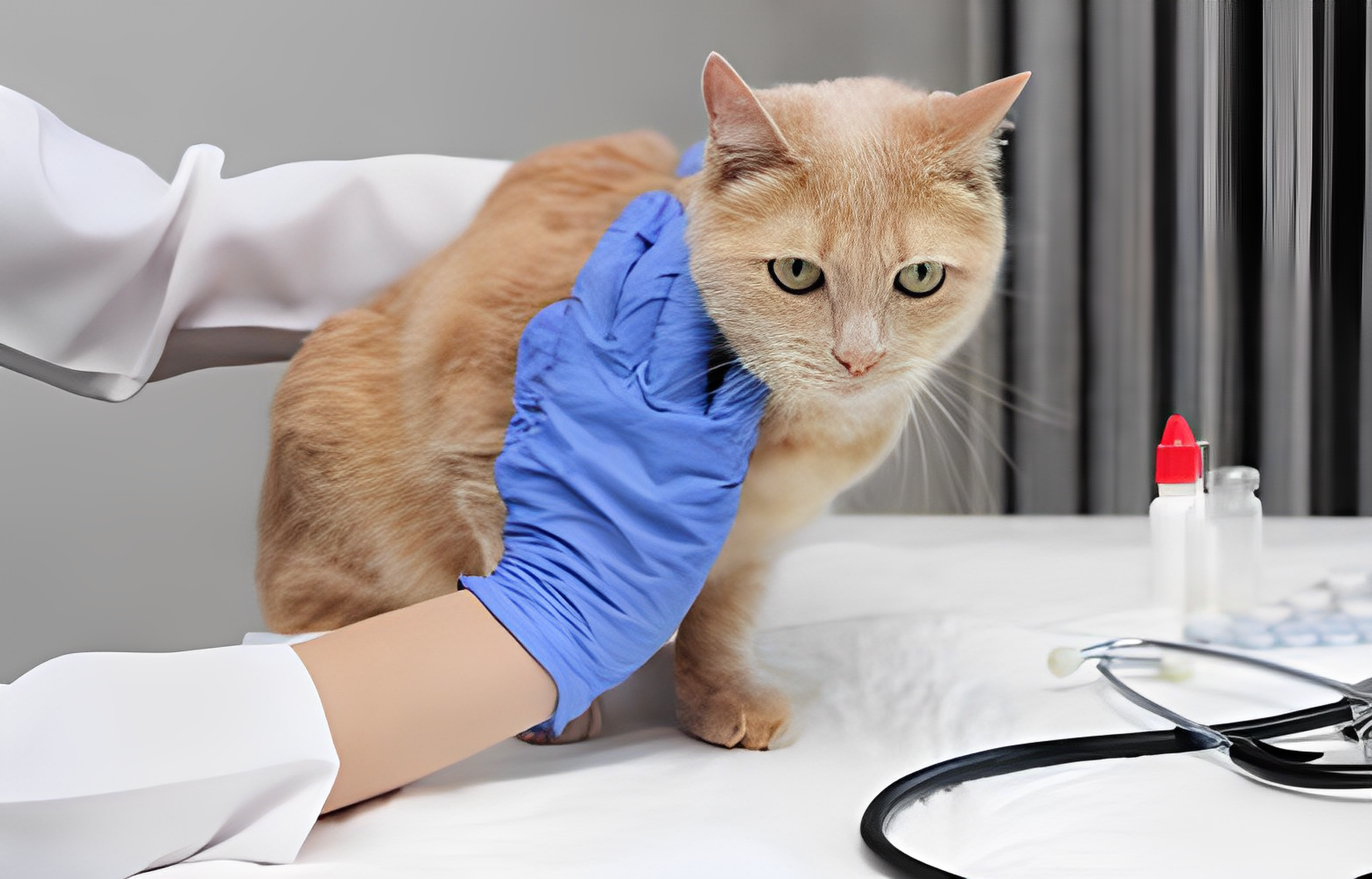
As a cat owner, you’ve likely come to understand the enigmatic and often mysterious nature of our feline friends. While their personalities and behaviors may keep us endlessly fascinated, it’s essential to be equally vigilant about their health. Feline pancreatitis is one of those health concerns that can be challenging to detect and manage, but with the right knowledge and care, you can navigate this condition effectively. In this comprehensive guide, pet barn will delve deeper into the world of feline pancreatitis, exploring its symptoms, diagnosis, treatment options, and preventive measures to help you better understand and care for your beloved feline companion.

What is Feline Pancreatitis?

Pancreatitis, a condition that affects both humans and cats, involves inflammation of the pancreas, a crucial organ responsible for producing digestive enzymes and regulating blood sugar levels. Feline pancreatitis occurs when a cat’s pancreas becomes inflamed, which can lead to a range of health issues.

Symptoms of Feline Pancreatitis

The symptoms of pancreatitis in cats can be varied and non-specific, making diagnosis a challenging endeavor. Cats may exhibit one or more of the following signs:

1. Lethargy:

Cats with pancreatitis may appear unusually tired and uninterested in their usual activities, choosing to rest more than usual.

2. Vomiting:

Frequent vomiting is a hallmark symptom of pancreatitis. The vomit may contain partially digested food, bile, or be frothy.

3. Loss of Appetite:

Cats with pancreatitis often experience a loss of appetite, leading to weight loss over time.

4. Abdominal Pain::

Cats may exhibit discomfort when their abdomen is touched or may adopt a hunched posture due to abdominal pain.

5. Dehydration:

Chronic vomiting and reduced food intake can lead to dehydration, which can further exacerbate the illness.

6. Diarrhea:

Loose stools are common in cats with pancreatitis and can contribute to fluid and electrolyte imbalances.

7. Fever:

An elevated body temperature is often seen in cases of pancreatitis due to the body’s inflammatory response.

8. Jaundice:

In severe cases of pancreatitis, yellowing of the eyes or skin can occur due to liver involvement.

It’s essential to remember that these symptoms can overlap with other feline health issues, making it difficult to diagnose pancreatitis based solely on clinical signs.

Diagnosing Feline Pancreatitis

To diagnose feline pancreatitis, a veterinarian will typically employ a combination of methods, including:

1. Blood Tests:

Bloodwork can reveal elevated pancreatic enzyme levels, such as amylase and lipase, which may indicate pancreatitis.

2. Ultrasound:

An ultrasound of the abdomen can provide images of the pancreas and surrounding structures, helping to identify inflammation.

3. Biopsy:

In severe or complicated cases, a biopsy of the pancreas may be necessary for a definitive diagnosis.

Diagnosing pancreatitis can be complex, and your veterinarian may need to rule out other possible causes of your cat’s symptoms, such as dietary allergies or gastrointestinal diseases.

Treating Feline Pancreatitis

The treatment of feline pancreatitis aims to manage symptoms, provide supportive care, and address any underlying issues. Depending on the severity of the condition, treatment may involve the following:

1. Hospitalization:

In severe cases, cats may require hospitalization to receive intravenous fluids, pain management, and nutritional support. This is particularly important to correct dehydration and maintain the cat’s electrolyte balance.

2. Medications:

Medications may be prescribed to reduce inflammation, manage pain, and control vomiting.

3. Dietary Changes:

A special, easily digestible diet may be recommended to reduce the workload on the pancreas. Your veterinarian can provide guidance on suitable dietary options.

4. Management of Underlying Conditions:

If pancreatitis is caused or exacerbated by other health issues, such as diabetes or liver disease, those conditions will also be treated in conjunction with pancreatitis management.

5. Regular Monitoring:

Follow-up appointments and ongoing monitoring are essential to ensure your cat’s recovery and to adjust treatment as needed. Your veterinarian may recommend periodic blood tests to assess pancreatic enzyme levels.

Preventing Feline Pancreatitis

While not all cases of feline pancreatitis can be prevented, you can take certain measures to reduce the risk:

1. Balanced Diet:

Ensure your cat’s diet is nutritionally balanced and appropriate for their age, health status, and any underlying conditions. High-quality commercial cat food or veterinarian-recommended diets are often a good choice.

2. Hydration:

Encourage your cat to drink enough water to prevent dehydration. Providing fresh water and possibly a water fountain can help entice cats to drink more.

3. Regular Veterinary Check-ups:

Routine check-ups are crucial for maintaining your cat’s overall health. These visits can help detect and manage health issues early, including pancreatitis.

4. Stress Management:

Minimize stressors in your cat’s environment. Stress can contribute to pancreatitis, so providing a stable and comforting living space is vital.

In conclusion, feline pancreatitis is a complex condition that requires careful attention and a tailored treatment plan. By recognizing the symptoms, seeking prompt veterinary care, and following your veterinarian’s guidance, you can help your feline companion on the road to recovery. Remember that early intervention and a supportive approach can make a significant difference in your cat’s quality of life, ensuring many more years of happiness and companionship. Be proactive in your cat’s healthcare, and your efforts will be rewarded with a healthier and happier feline friend.

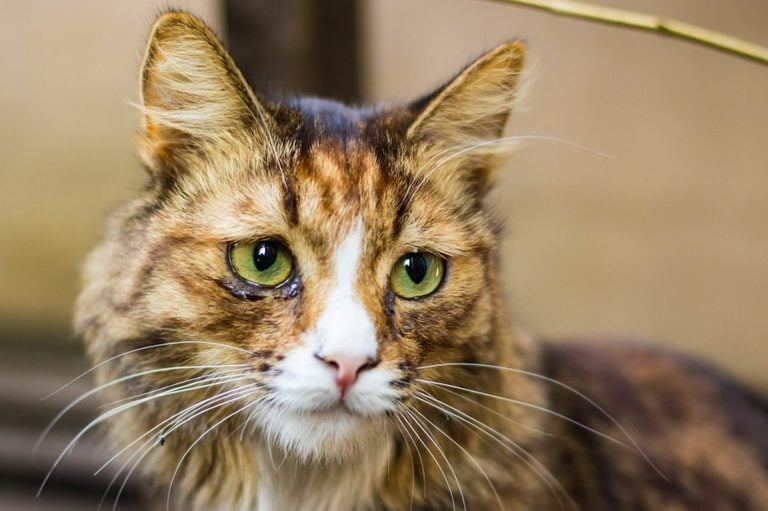
Cats, with their enigmatic personalities and graceful demeanor, often leave us captivated by their behavior. One behavior that may puzzle cat owners is the occasional shedding of tears. While it’s not as evident as in humans, cats do, indeed, shed tears. Understanding why cats cry can deepen the bond between feline companions and their human counterparts. In this comprehensive exploration, pet barn ‘ll delve into the various reasons behind feline tears, shedding light on the emotions and health concerns that may prompt a cat to cry

1. Emotional Expressions:

Contrary to popular belief, cats don’t shed tears solely as a physical response to emotion. Instead, their tears are more likely associated with their emotional state. Cats may cry when they feel stressed, anxious, or even joyful. Paying attention to the context in which tears occur can provide insight into your cat’s emotional well-being.

Stressors like changes in the household, the introduction of a new pet, or a move can trigger emotional responses, including tears. Understanding your cat’s body language and behavior during these situations can help you decipher the root cause of their emotional state. It’s crucial to create a secure and stable environment to ensure your cat feels safe and comfortable, reducing the likelihood of stress-induced tears.

Moreover, cats are known for their independence, and subtle changes in their routine or surroundings can impact their emotional equilibrium. Take note of any alterations in their behavior or surroundings and consider how these changes might be affecting your cat’s emotions.

2. Communication Tool:

Cats are skilled communicators, and their tears can serve as a form of non-verbal communication. For instance, if a cat is in pain, discomfort, or distress, tears may be an indicator. Observing other behavioral cues, such as changes in posture, vocalizations, or altered eating habits, can help decipher the message your cat is trying to convey.

It’s essential to pay attention to the duration and frequency of your cat’s tears. If the tears persist or are accompanied by other concerning behaviors, it may be time to consult with a veterinarian to rule out any underlying health issues contributing to your cat’s emotional distress. While emotional communication is vital, addressing potential health concerns is equally crucial in ensuring your cat’s overall well-being.

3. Eye Health Issues:

While emotional factors contribute to feline tears, it’s crucial to consider potential health issues. Excessive tearing could be a sign of an eye infection, injury, or underlying health problem. Cats are susceptible to conditions like conjunctivitis and corneal ulcers, both of which may result in increased tear production.

Regular veterinary check-ups can help identify and address any health concerns affecting your cat’s eyes. In addition, practicing good eye hygiene, such as cleaning around the eyes and monitoring for any signs of irritation, can contribute to your cat’s overall eye health. If you observe redness, swelling, or discharge along with tears, it’s essential to seek prompt veterinary attention to address any potential eye issues.

In some cases, breed-specific factors may contribute to eye health concerns. Breeds with prominent eyes or flat faces, such as Persians and Himalayans, may be more prone to certain eye conditions. Knowing your cat’s breed and its associated health considerations can aid in early detection and preventive care.

4. Environmental Factors:

Environmental factors, such as dust, allergens, or irritants, can also lead to increased tear production in cats. Just like humans, cats may experience sensitivity to their surroundings. Pay attention to any changes in your cat’s environment and consider whether they might be exposed to new allergens or pollutants.

Maintaining a clean and dust-free living space, as well as providing proper ventilation, can help minimize environmental factors that contribute to tearing. Additionally, grooming your cat regularly, including cleaning around the eyes, can prevent the accumulation of debris that may lead to irritation and increased tearing.

Changes in seasons can also impact environmental factors. For example, pollen levels may rise during spring, potentially triggering allergic reactions in sensitive cats. Monitoring your cat’s behavior and tear production during different seasons can provide valuable insights into potential environmental triggers.

5. Breed-Specific Traits:

Certain cat breeds are more predisposed to tear staining than others. Breeds with flat faces, such as Persians and Himalayans, may have a natural tendency to produce more tears due to their facial anatomy. Regular grooming and cleaning around the eyes can help manage tear staining in these breeds.

Understanding the specific traits and needs of your cat’s breed can guide you in providing targeted care. If you have a breed that is prone to tear staining, incorporating a grooming routine into your cat’s care regimen can help keep their eyes clean and reduce tear-related issues.

Moreover, it’s essential to be aware of other breed-specific characteristics that may influence your cat’s overall health. Some breeds may be more prone to dental issues, respiratory problems, or other conditions that can indirectly affect tear production. Regular veterinary check-ups, coupled with breed-specific care practices, can contribute to your cat’s overall health and well-being.

Understanding why cats cry involves considering a combination of emotional, communicative, and health-related factors. Cats, being complex and nuanced creatures, use tears as a form of expression and communication. As responsible cat owners, it’s crucial to pay attention to these subtle cues, providing the love, care, and attention our feline companions need.

If you ever notice excessive or persistent tearing in your cat, consulting with a veterinarian is the best course of action to ensure their overall health and well-being. By being attuned to your cat’s emotions, maintaining a healthy environment, and addressing potential health concerns, you can foster a stronger bond with your feline friend and contribute to their long-term well-being.

In conclusion, understanding the multifaceted nature of feline tears allows us to better care for our beloved cats. Through a holistic approach that considers emotional, communicative, and health aspects, we can create a nurturing environment that promotes their happiness and ensures a thriving companionship.

Feline urinary tract infections (UTIs) are complex issues that can significantly impact a cat’s health and well-being. As responsible pet owners, it’s crucial to delve deeper into the causes of these infections, recognize subtle symptoms, and establish comprehensive preventive measures to ensure the optimal health of our feline companions.

Understanding the Causes of Feline UTIs:

1. Bacterial Infections:

Bacterial invasion is a primary cause of UTIs in cats. Escherichia coli, a common bacterium found in the gastrointestinal tract, can make its way into the urinary system, leading to inflammation and infection. Factors such as poor hygiene, external wounds, or catheterization can facilitate the entry of bacteria into the urinary tract, making it imperative to maintain a clean environment for your cat.

2. Feline Lower Urinary Tract Disease (FLUTD):

FLUTD is an umbrella term encompassing various conditions affecting the bladder and urethra, with urinary tract infections being one component. Crystal formation and the development of urinary stones are key contributors to FLUTD, and certain cat breeds, such as Siamese and Persians, may have a genetic predisposition to these conditions. Regular veterinary check-ups are vital to identifying and addressing these issues early on.

3. Urinary Tract Anomalies:

Cats may be born with structural abnormalities in their urinary tract, making them more susceptible to infections. These congenital issues can obstruct the normal flow of urine, creating an environment conducive to bacterial growth. Regular veterinary check-ups are crucial for identifying and managing these anomalies.

4. Weakened Immune System:

Cats with compromised immune systems, whether due to age, underlying health conditions, or stress, are more prone to urinary tract infections. A robust immune system is essential for fighting off bacteria that can cause infections. Maintaining overall feline health, providing a balanced diet, and managing stressors are pivotal in preventing immune system compromise.

Identifying Symptoms of Feline UTIs:

1. Increased Frequency of Urination:

Changes in litter box habits can be indicative of a potential UTI. If you notice your cat urinating more frequently or making repeated attempts to urinate, it’s crucial to investigate further. Increased urination may suggest discomfort or difficulty in emptying the bladder.

2. Straining to Urinate:

Straining during urination is a notable symptom of feline UTI. This behavior can be accompanied by vocalization or visible signs of distress. Cats may exhibit discomfort while in the litter box, signaling a potential issue with their urinary tract.

3. Blood in the Urine:

Hematuria, or blood in the urine, is a concerning symptom of UTI. Discolored or bloody urine should prompt immediate veterinary attention. Blood in the urine may indicate inflammation or damage to the urinary tract and should not be ignored.

4. Changes in Behavior:

Cats experiencing pain or discomfort due to a UTI may undergo noticeable behavior changes. Increased irritability, reluctance to be touched, or withdrawal can all be indicative of an underlying health issue. Understanding your cat’s normal behavior is essential in identifying any deviations that might suggest a UTI.

Comprehensive Preventive Strategies for Feline UTIs:

1. Hydration:

Adequate hydration is foundational for maintaining a healthy urinary system. Ensure your cat has access to fresh water at all times. Cats are notorious for not drinking enough water, so consider wet cat food or a pet water fountain to encourage increased water intake.

2. Balanced Diet:

The significance of a well-balanced, species-appropriate diet cannot be overstated. High-quality cat food plays a crucial role in urinary health by providing essential nutrients and minimizing the risk of crystal formation. Consult with your veterinarian to determine the most suitable diet for your cat’s specific needs.

3. Litter Box Maintenance:

A clean litter box is essential in preventing urinary tract infections. Cats may avoid using a dirty litter box, leading to a buildup of urine in the bladder, which can contribute to UTIs. Regularly scoop the litter box, change the litter as needed, and ensure a comfortable and private location for your cat’s bathroom activities.

4. Regular Veterinary Check-ups:

Schedule routine veterinary visits to monitor your cat’s overall health. Regular check-ups enable early detection of potential issues, including urinary tract infections. Your veterinarian can conduct urine tests and recommend preventive measures based on your cat’s health history and individual needs.

5. Stress Reduction:

Cats are sensitive to changes in their environment, and stress can weaken their immune system, making them more susceptible to infections. Minimize stressors by providing a consistent routine, creating a safe and quiet space for your cat, and using products like pheromone diffusers to promote a calm atmosphere.

6. Environmental Enrichment:

Stimulate your cat’s mind and body with environmental enrichment. Provide toys, scratching posts, cat wall , cat trees and interactive play to keep your cat mentally and physically active. Mental stimulation contributes to overall well-being and can reduce stress, which, in turn, supports a healthy immune system.

7. Weight Management:

Maintain a healthy weight for your cat through proper nutrition and regular exercise. Obesity can contribute to urinary tract issues, so work with your veterinarian to establish an appropriate diet and exercise routine for your cat’s individual needs.

Feline urinary tract infections require a multifaceted approach to prevention, involving a deep understanding of potential causes, keen recognition of symptoms, and the implementation of comprehensive preventive measures. By incorporating these strategies into your cat’s daily care routine, you can significantly contribute to the prevention and early detection of UTIs, ensuring a happy and healthy life for your feline companion. Always consult with your veterinarian if you suspect your cat may be suffering from a urinary tract infection or any health issue for personalized advice and treatment. Remember, a proactive and informed approach to feline health is the key to a long and thriving relationship with your furry friend.